Final fruits, roots and chicken patterns


Mild temperate climate nuts, mid autumn fruit. (text to come)

DSC06483
Gevuina avellana (Chilean hazel), left, Quercus robur (English oak), top, Araucaria araucana (monkey puzzle), right, Cornus officinalis (Cornelian cherry), centre.
Gaultheria shallon (salal berry) seedlings.
DSC06475
Woodchip path with white clover ground cover fixing nitrogen and providing perennial chook food and bee forage.
DSC06473
Cape gooseberry, poroporo, hardy kiwi, goji.
DSC06470
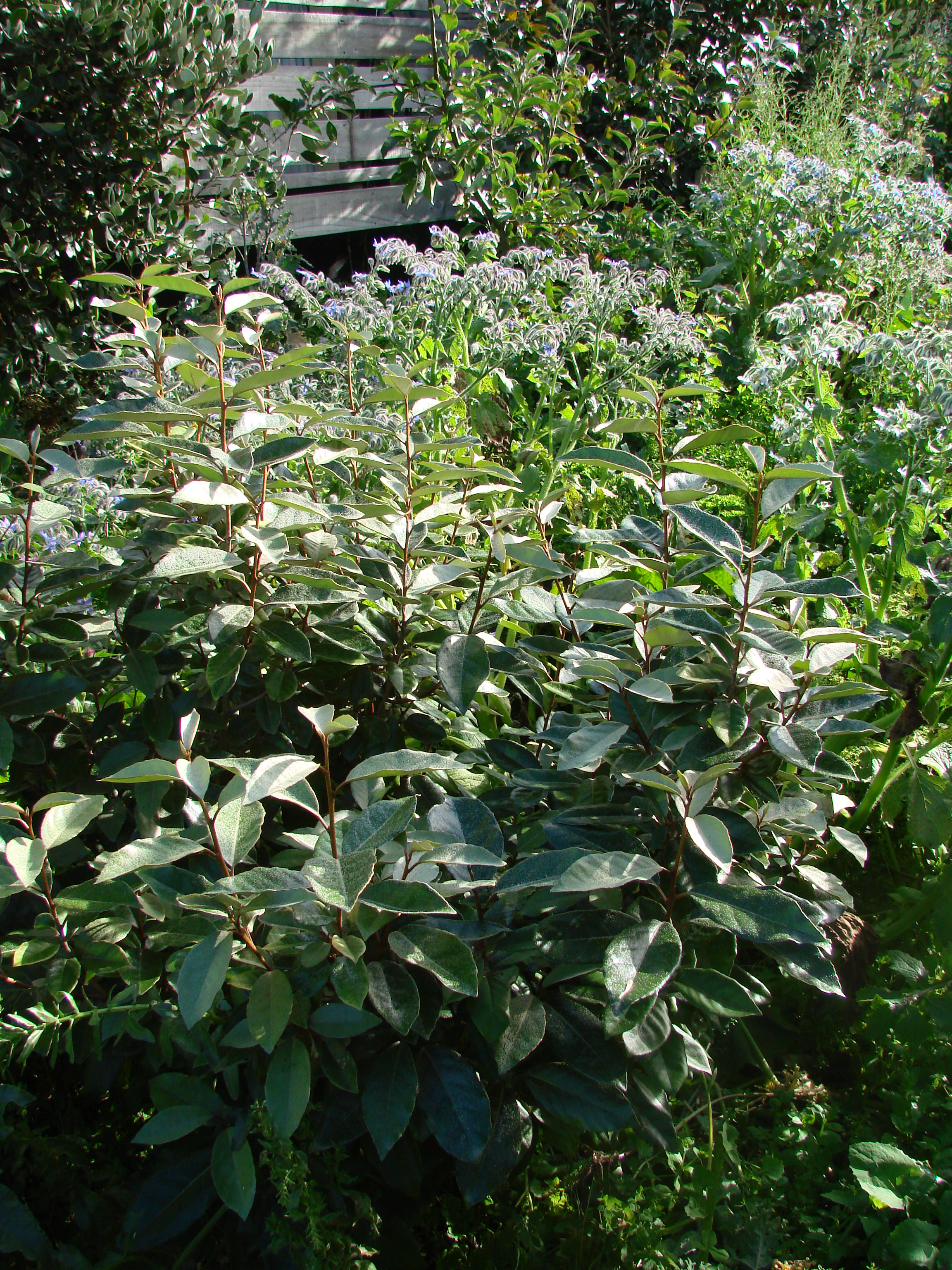
Elaeagnus ebbingei.
DSC06469
Young tamarillo.
DSC06468
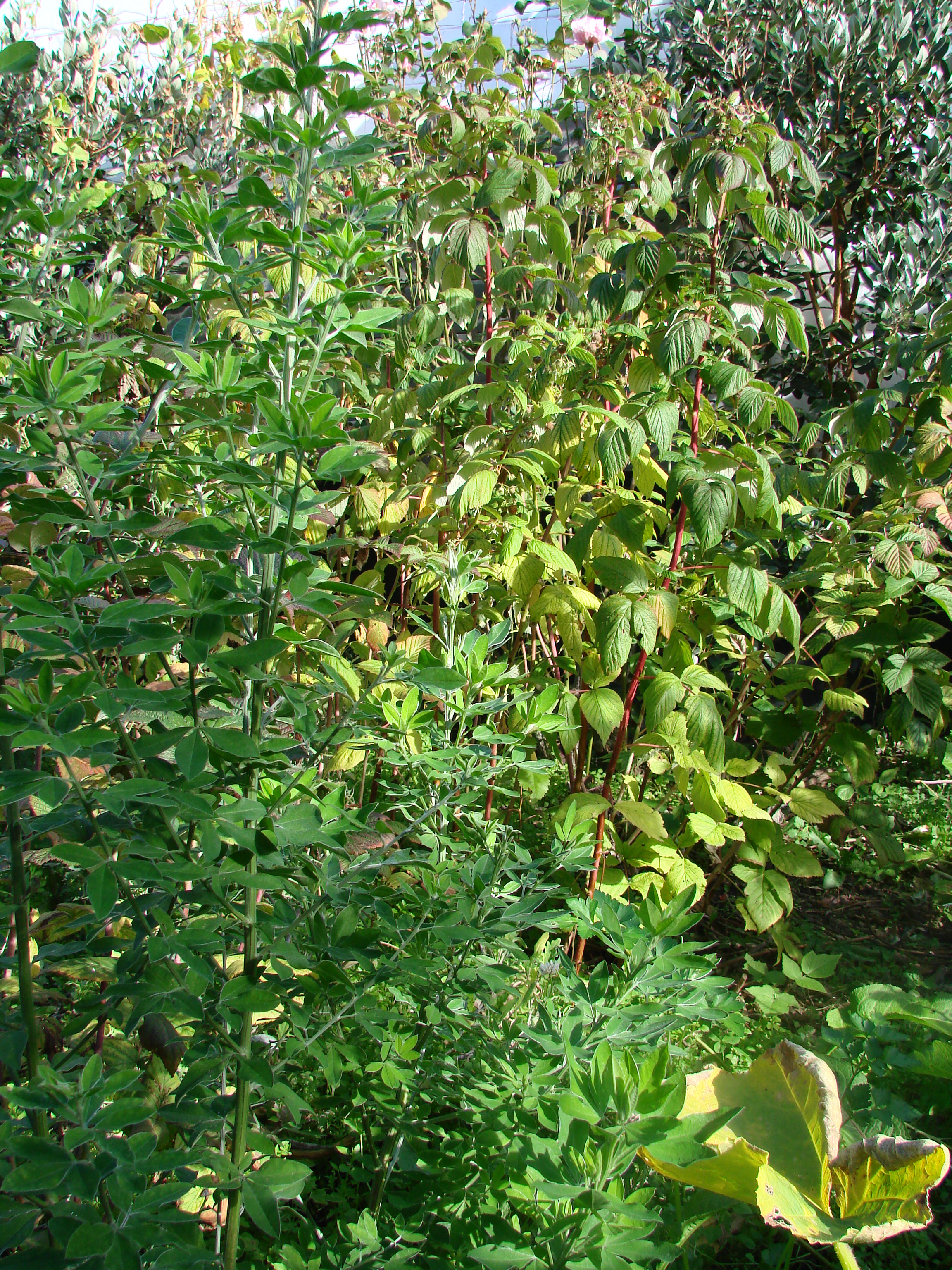
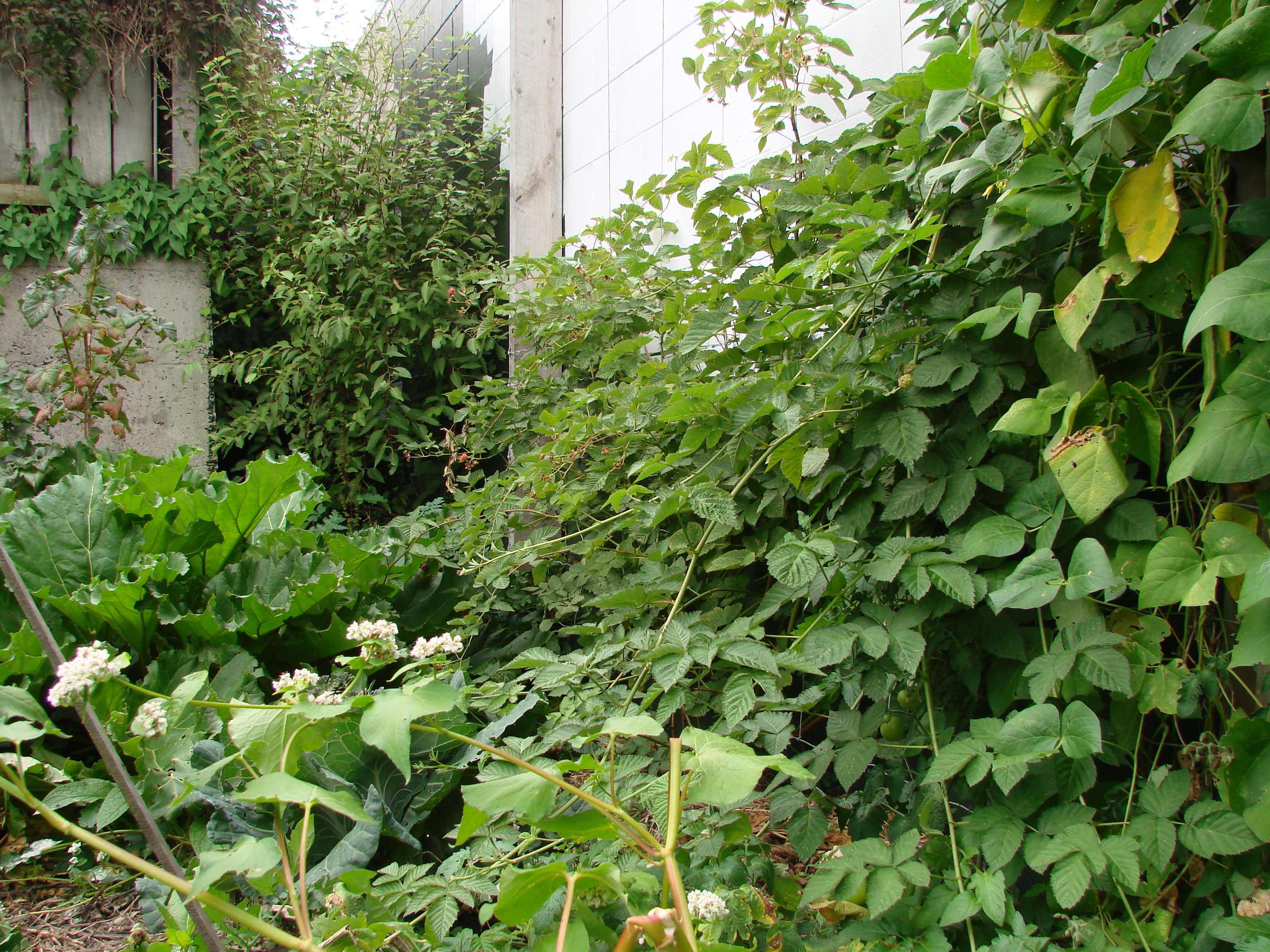
Medicago arborea (tree medic) and raspberries.
DSC06466
Autumn shade.
Zingiber mioga (Japanese ginger).
Yams.
Yams.
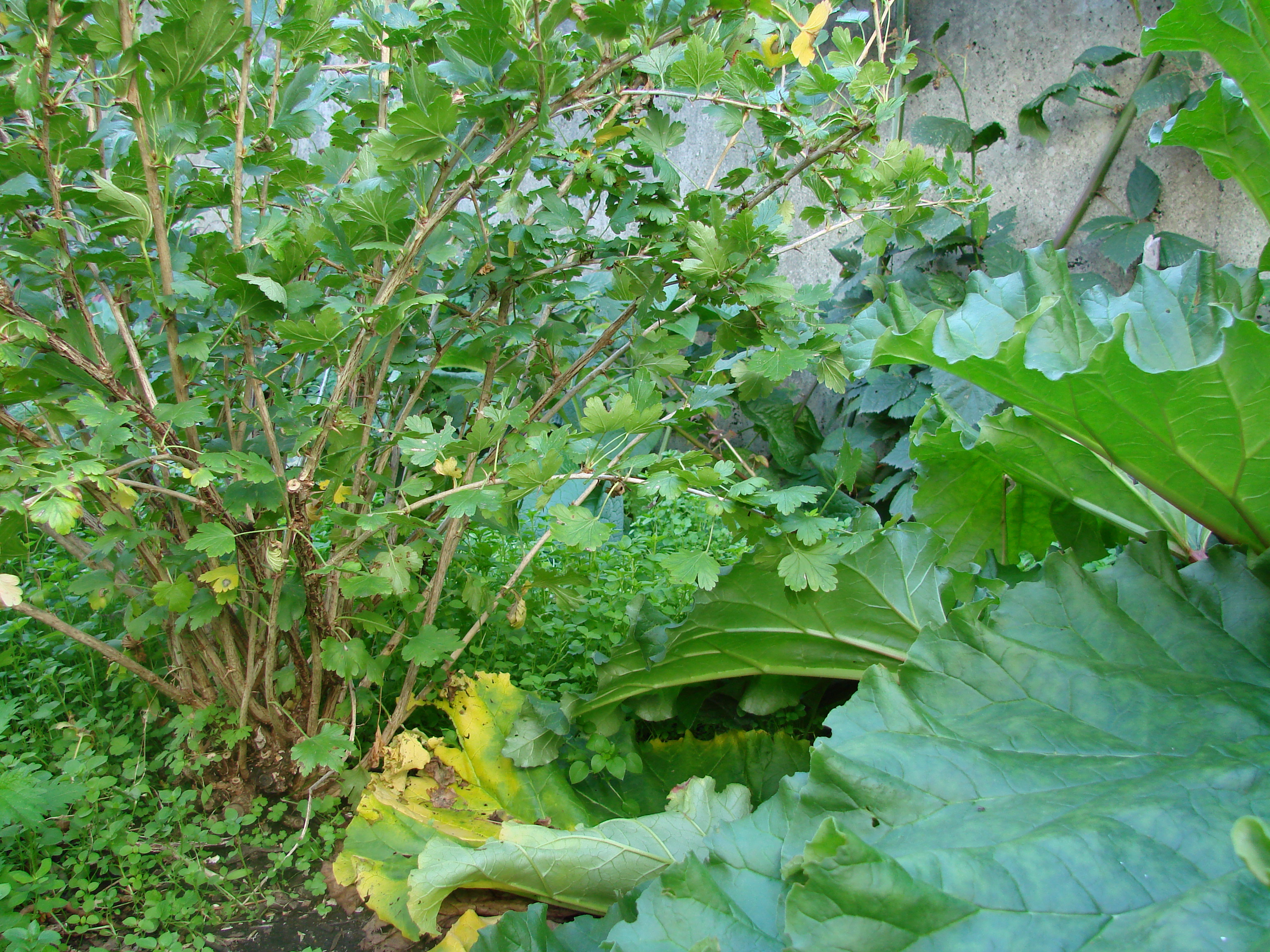
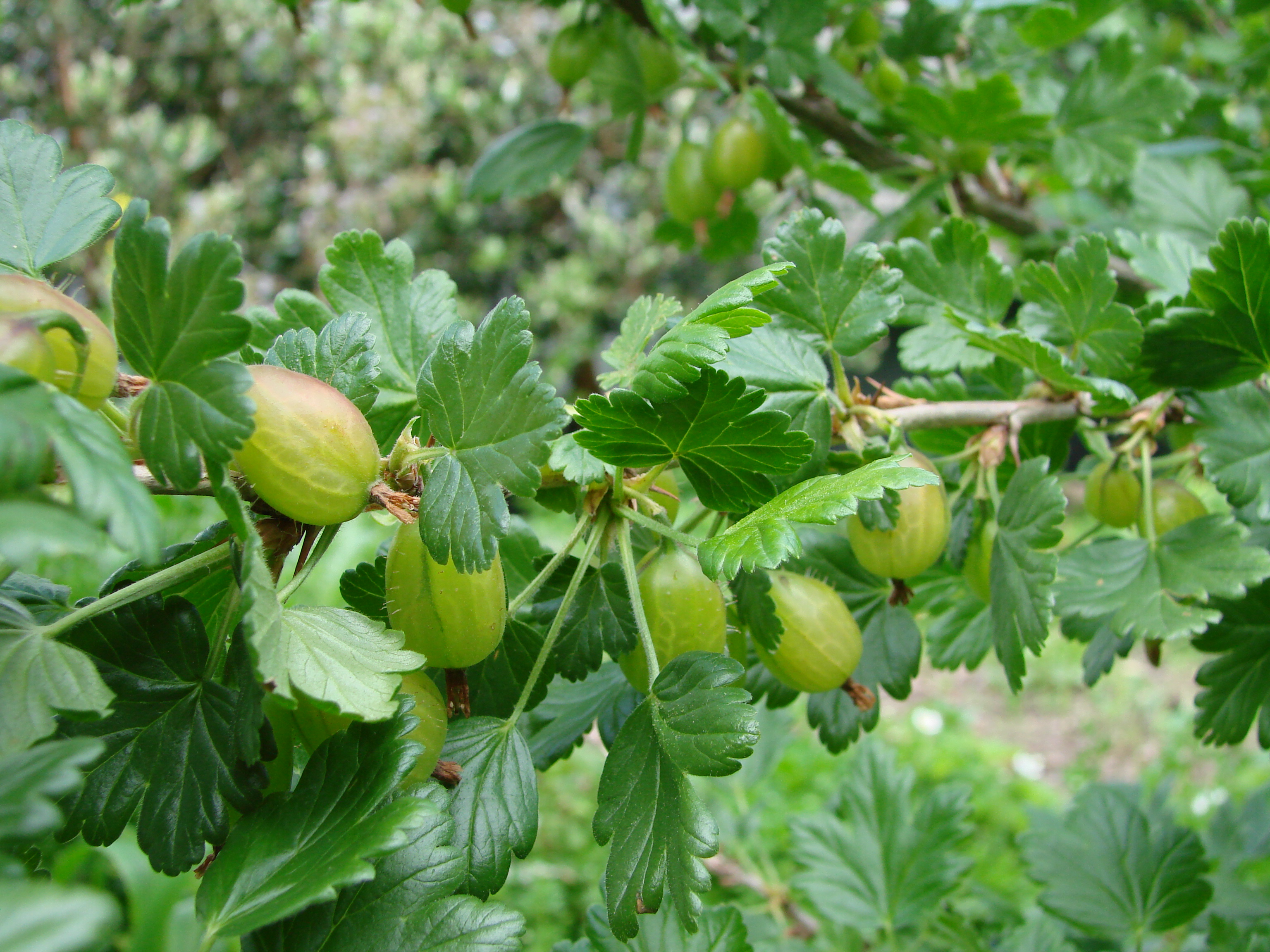
'Oamaru red' gooseberry. This plant never had the lower buds pinched off when it was a cutting so it has always suckered and spread low. Much of the fruit on the lower branches rotted on the ground. I have pruned the suckers and low branches in mid-summer for the last two years to allow a more upright and accessible bush. Winter pruning in the same areas will only stimulate vigorous regrowth.
‘Oamaru red’ gooseberry. This plant never had the lower buds pinched off when it was a cutting so it has always suckered and spread low. Much of the fruit on the lower branches rotted on the ground. I have pruned the suckers and low branches in mid-summer for the last two years to allow a more upright and accessible bush. Winter pruning in the same areas will only stimulate vigorous regrowth.
Blackberries.
Blackberries.
Pink flowering elder.
DSC06453
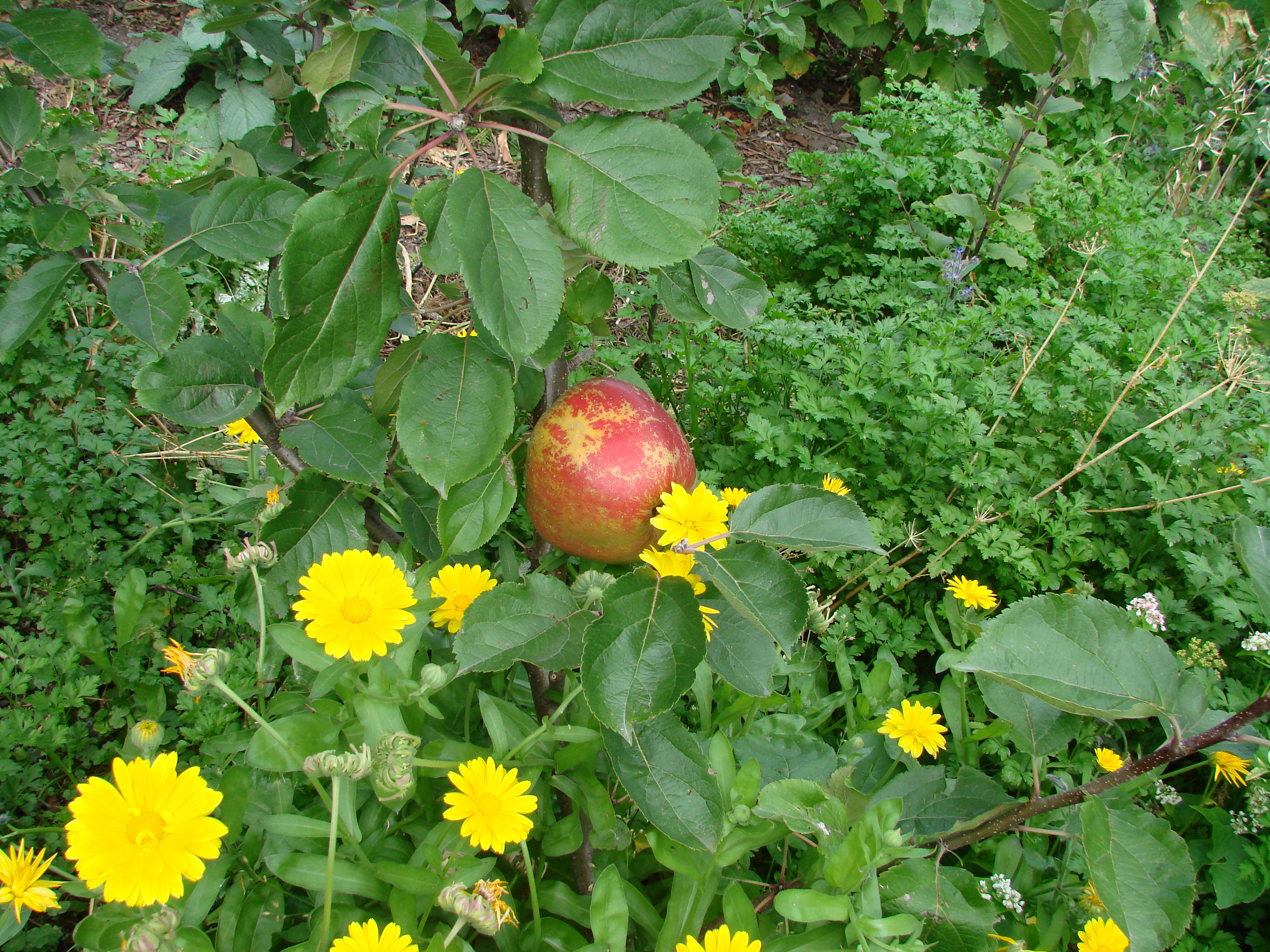
Elaeagnus, apple, herbs.
Kale seed crop.
Kale seed crop.
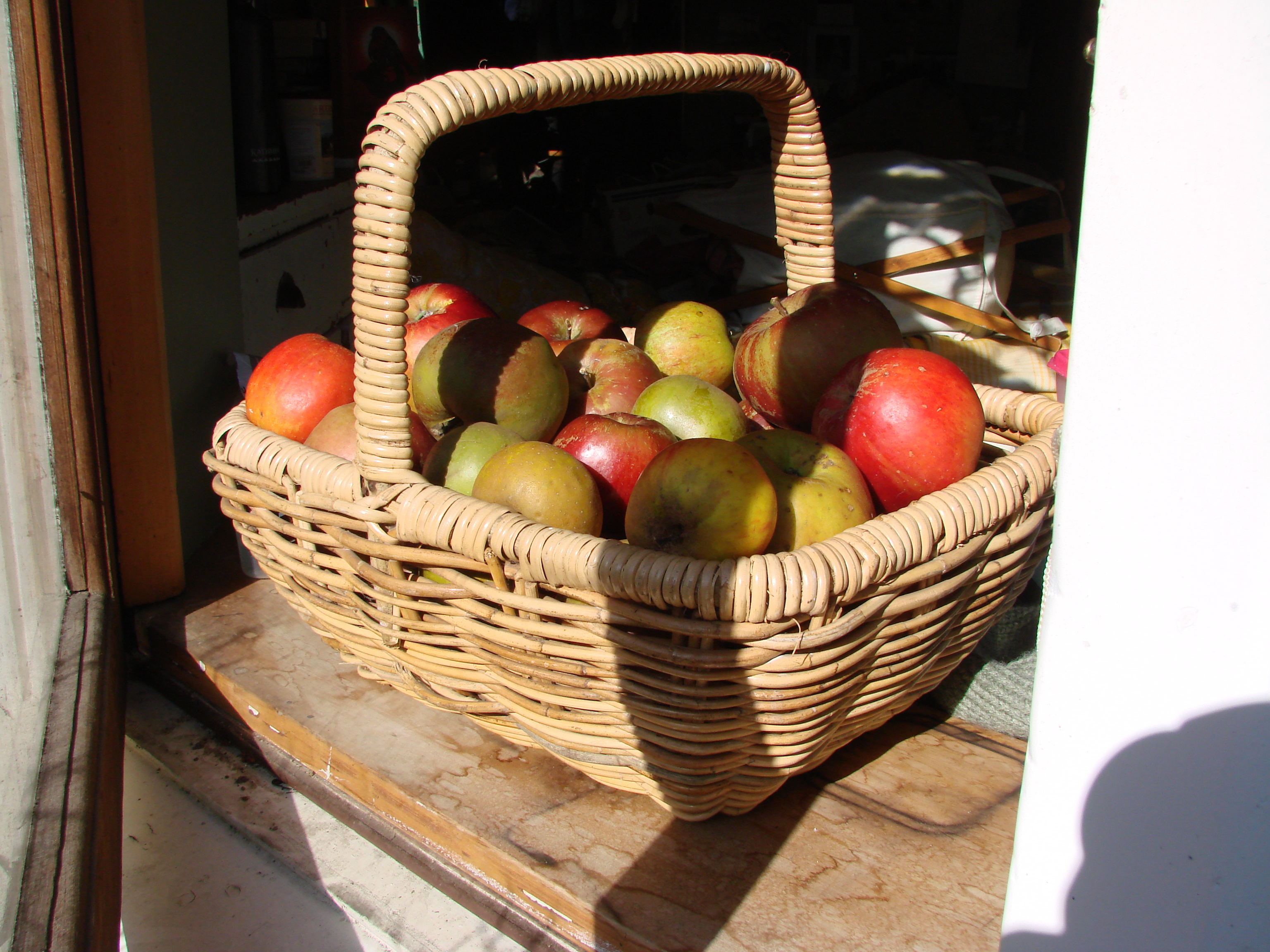
Mixed heritage apples.
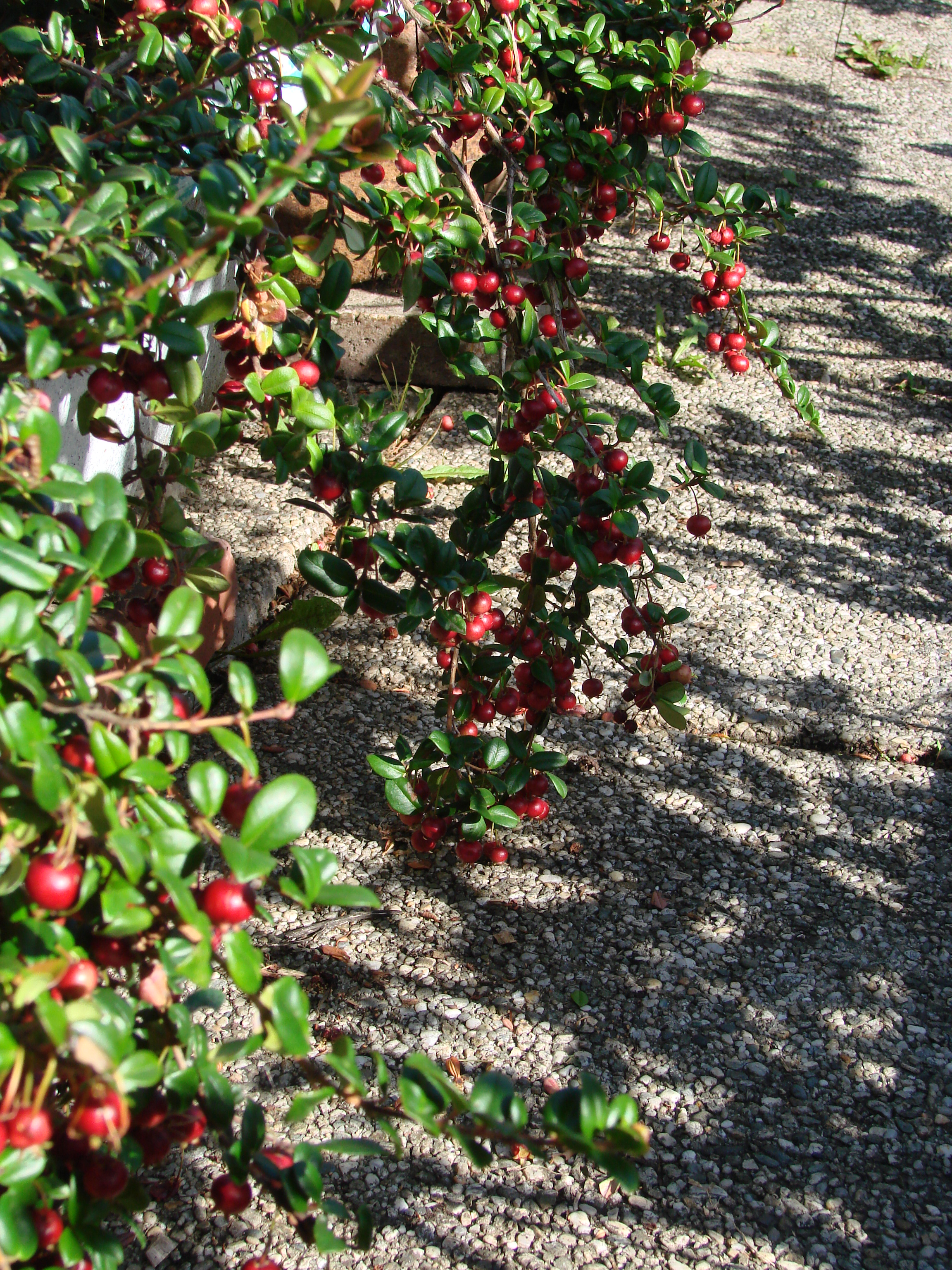
Ugni molinae berries trailing over from bathtub.
Ugni molinae berries trailing over from a bathtub.
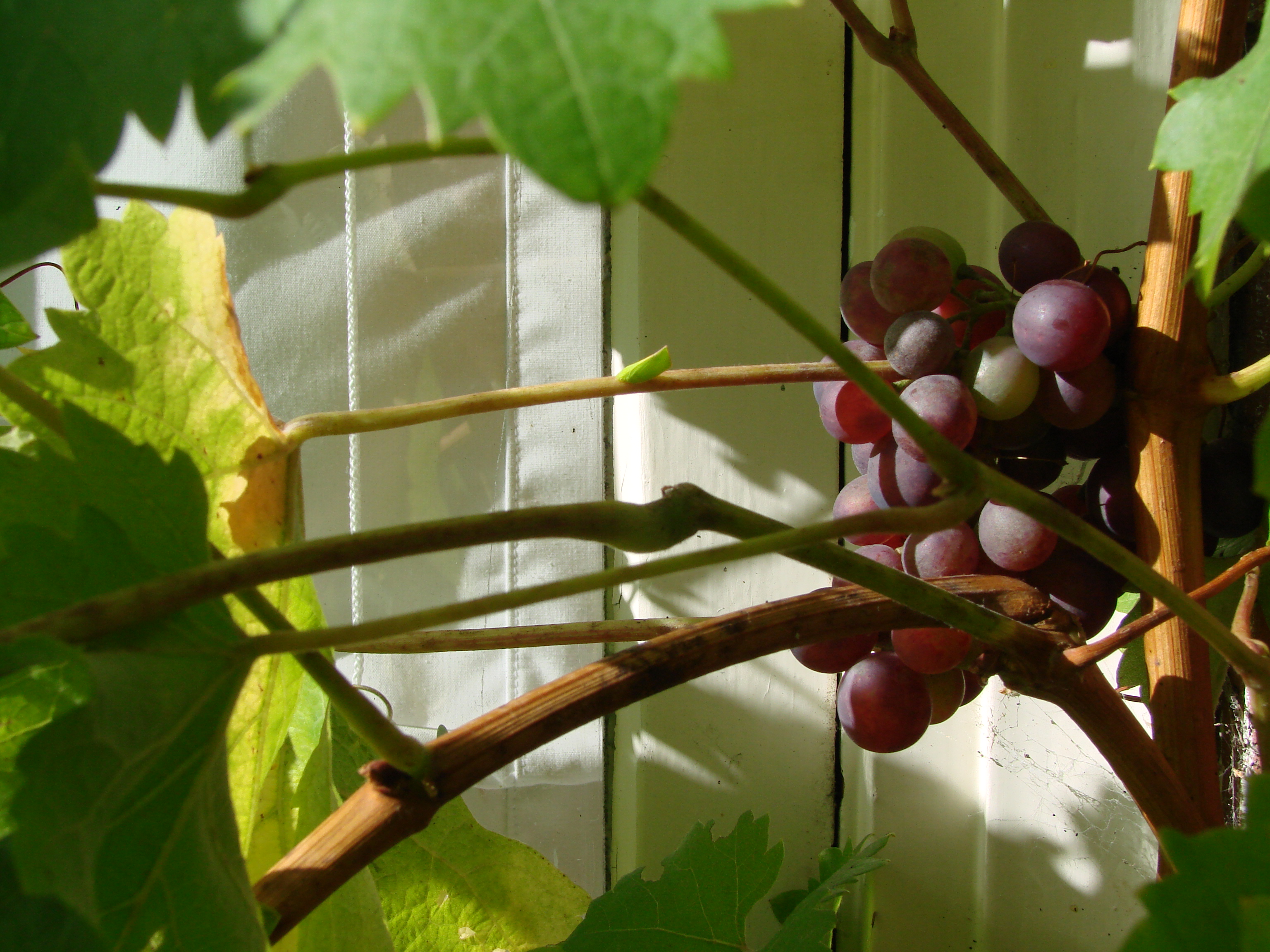
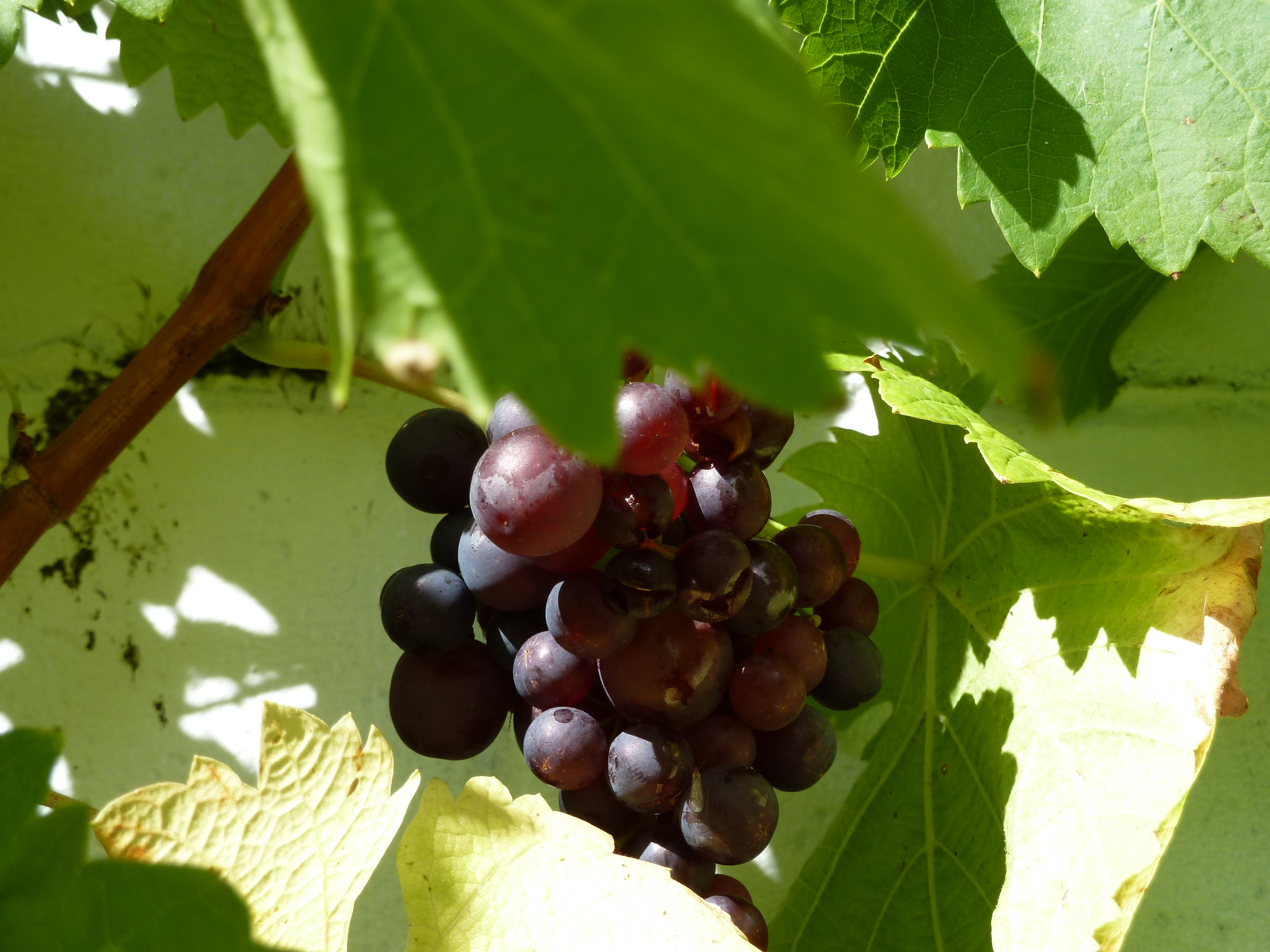
Extra warmth and reflection from the house and the grapevine says thankyou.
Extra warmth and reflection from the house and the grapevine says thank you.
Mid garden.
Mid garden.
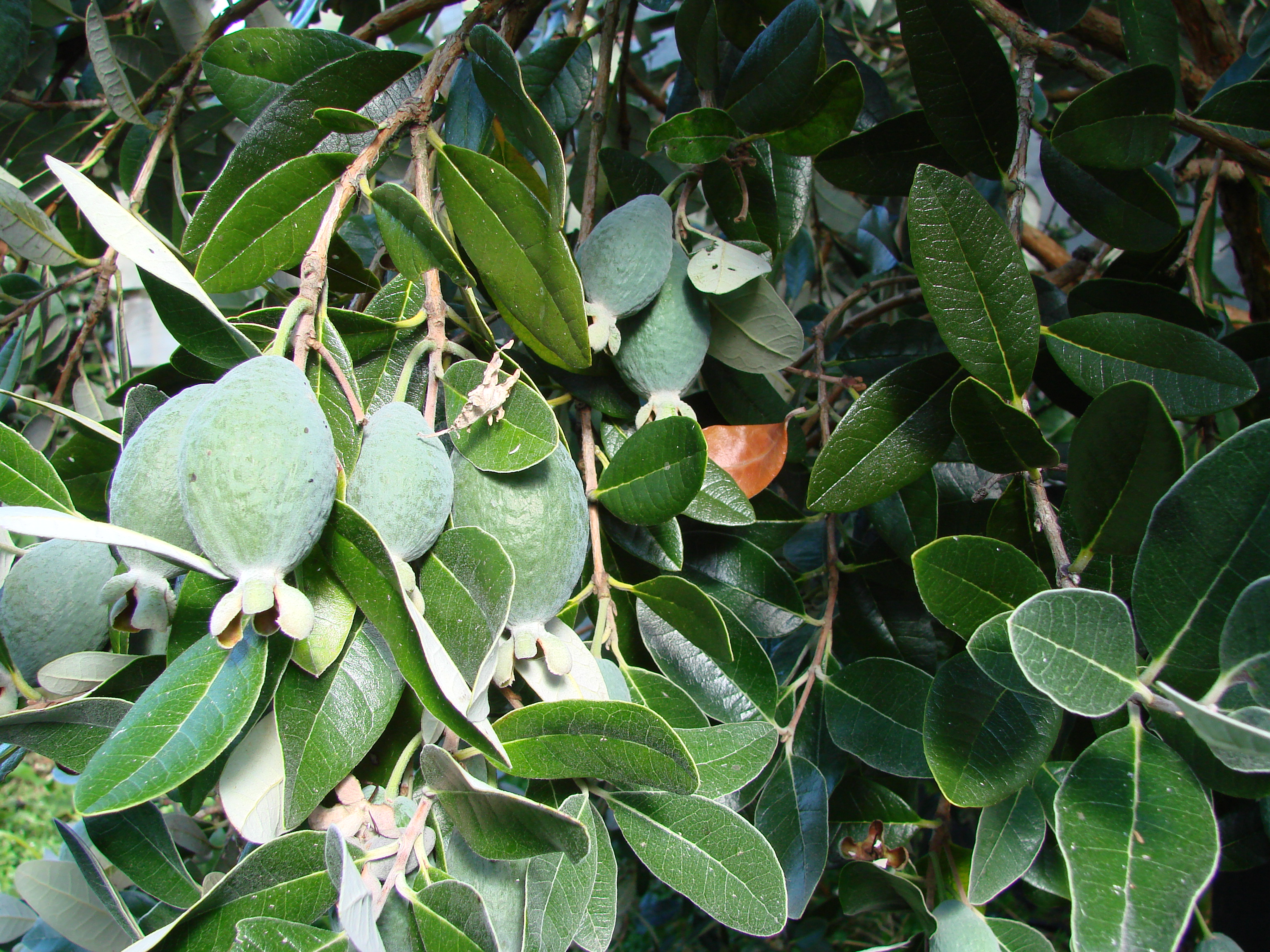
Feijoa 'tagan' - heavy crop again this year, they usually begin dropping late in May.
Feijoa ‘Tagan’ – heavy crop again this year, they usually begin dropping late in May.
Tydeman's late orange apple.
Tydeman’s late orange apple.
Rhode island red chooks under a watchful eye.
Temporary chicken run under dalmatian kale and apricot.
Cape gooseberry, parsley, borage coming up through white clover.
White clover.
White clover.

Spring 2014, Summer 2015


DSC06329
Haskap berries, early December. The first of any of our fruits.
DSC06320
Gooseberries are next to ripen, usually the week around the summer solstice.
DSC06323
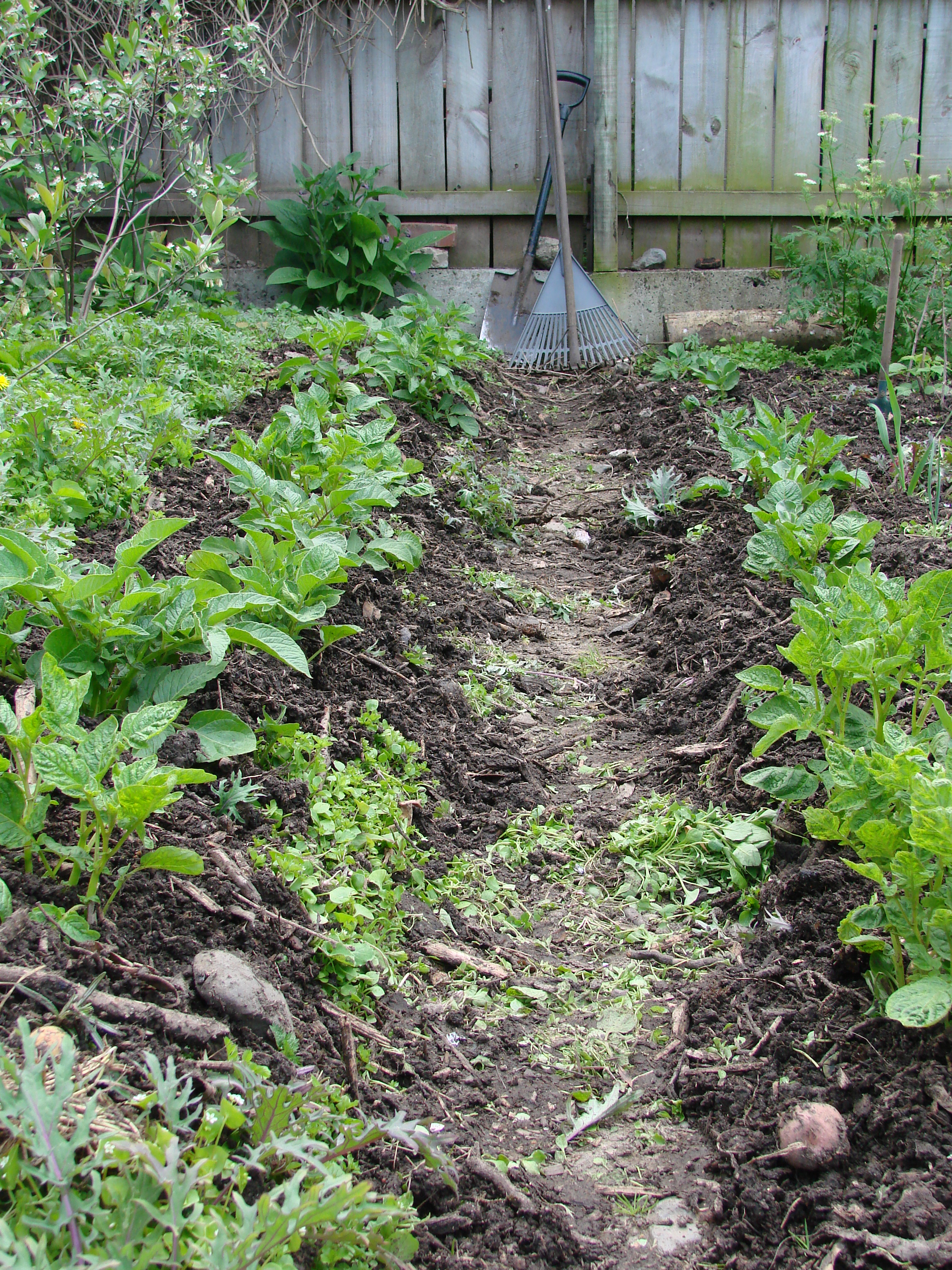
Potatoes coming up either side of a contour path/swale.
DSC06322
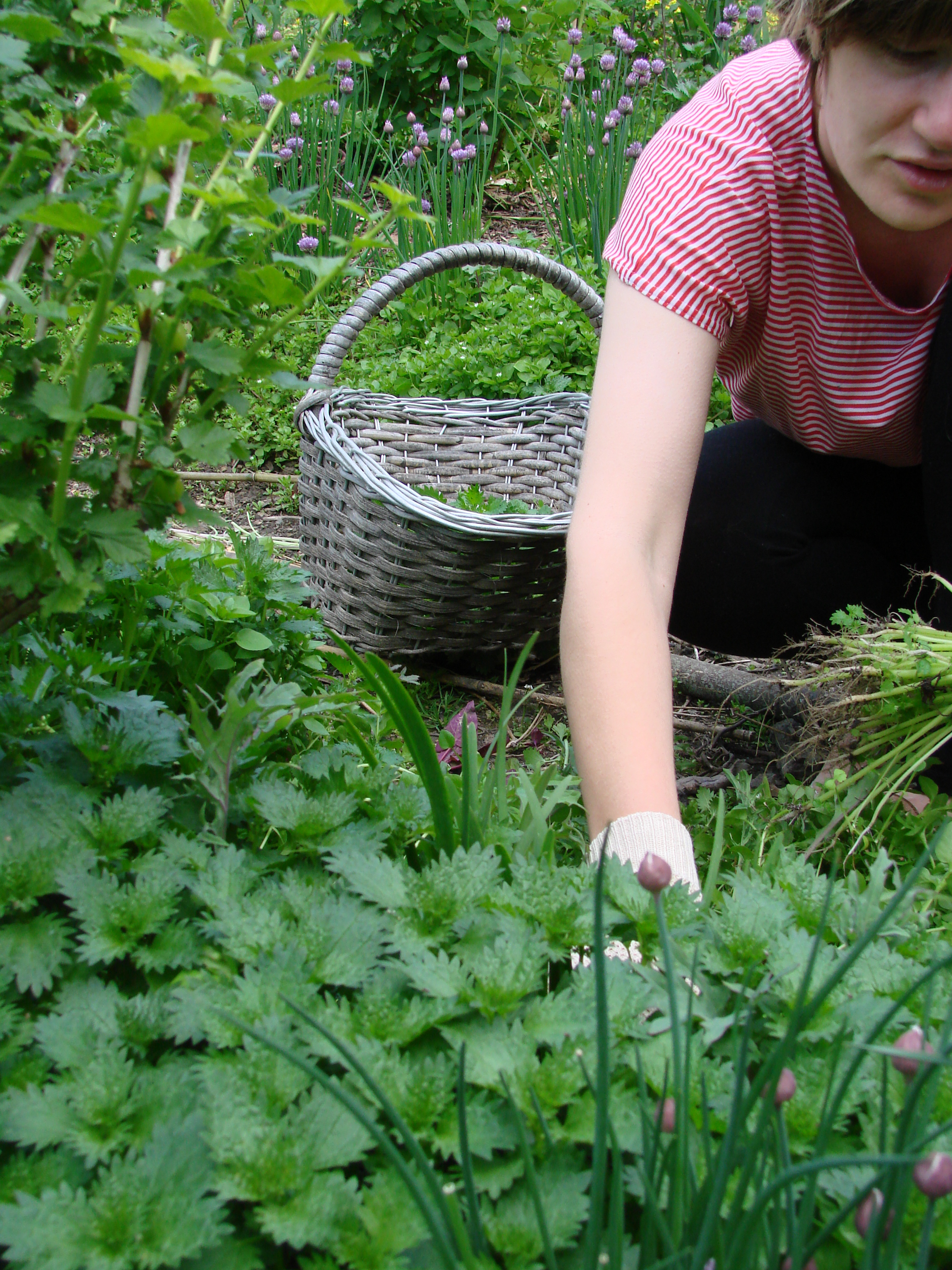
Kate harvesting nettle late in the spring.
DSC06330
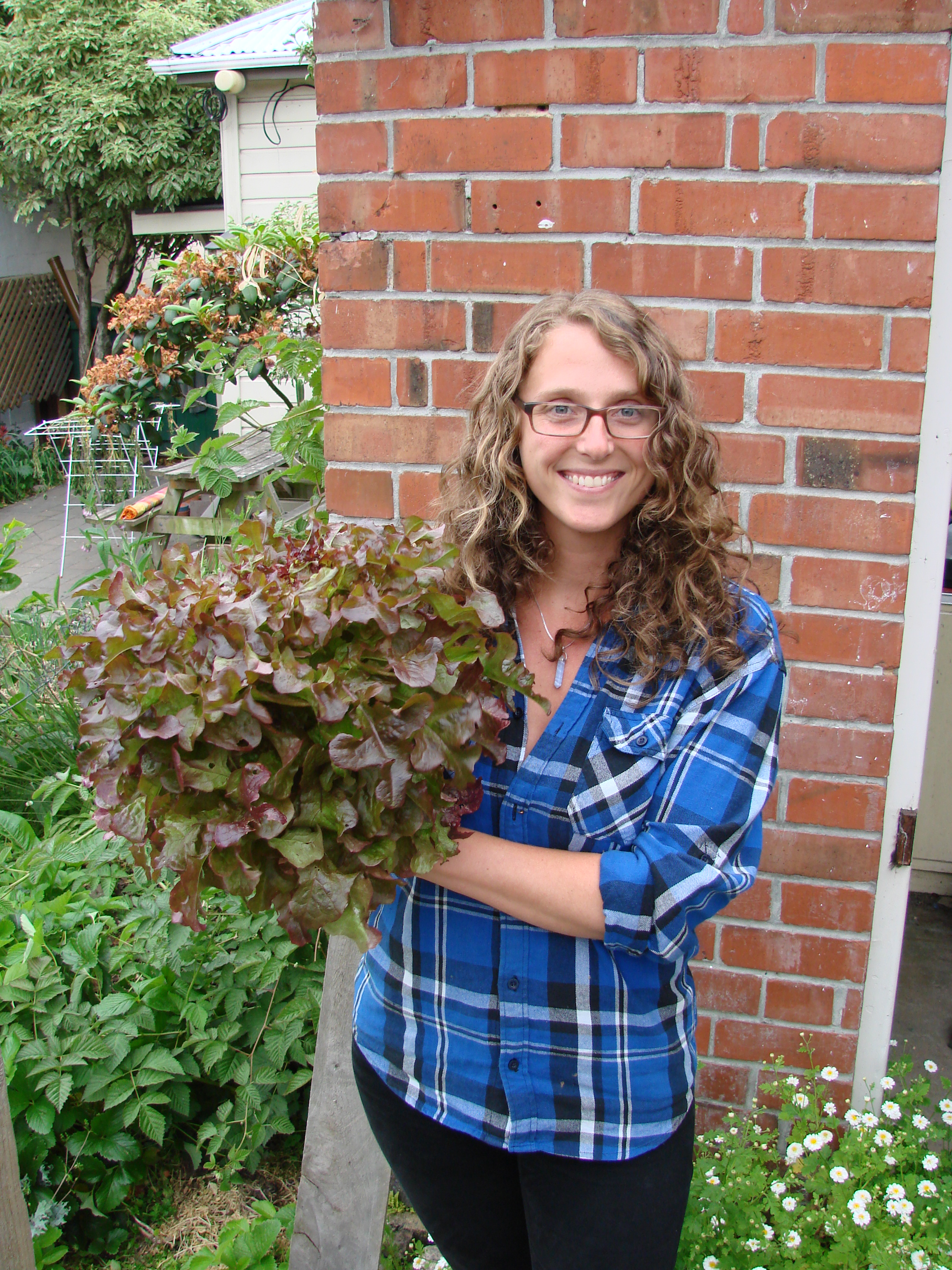
Anne with one of the self-seeded ‘cocarde’ lettuces.
DSC06332
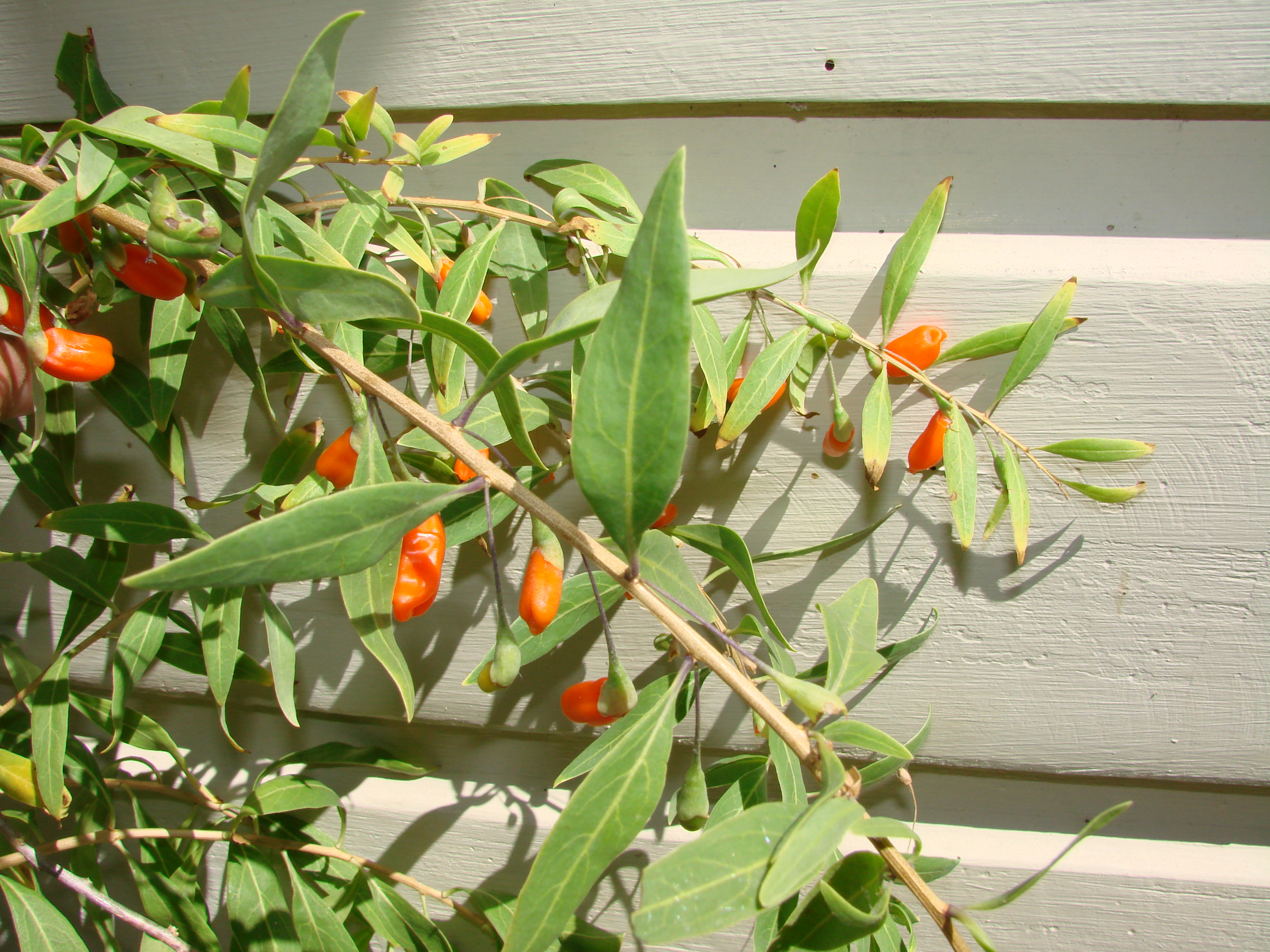
Goji berries early in January.
DSC06348
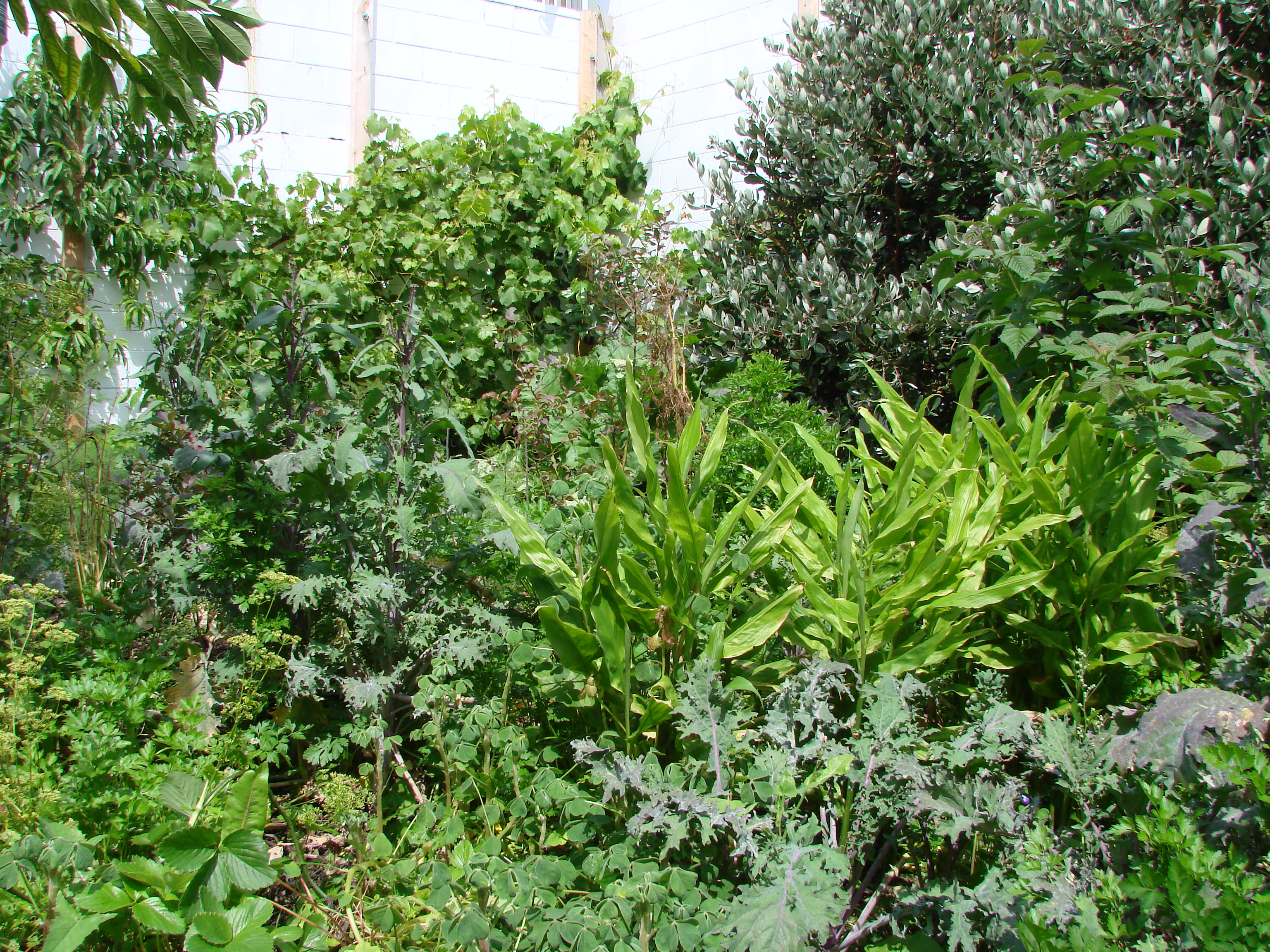
Yams, kale, japanese ginger, raspberries, feijoas, grapes…
DSC06350
Fan-trained peach
DSC06337
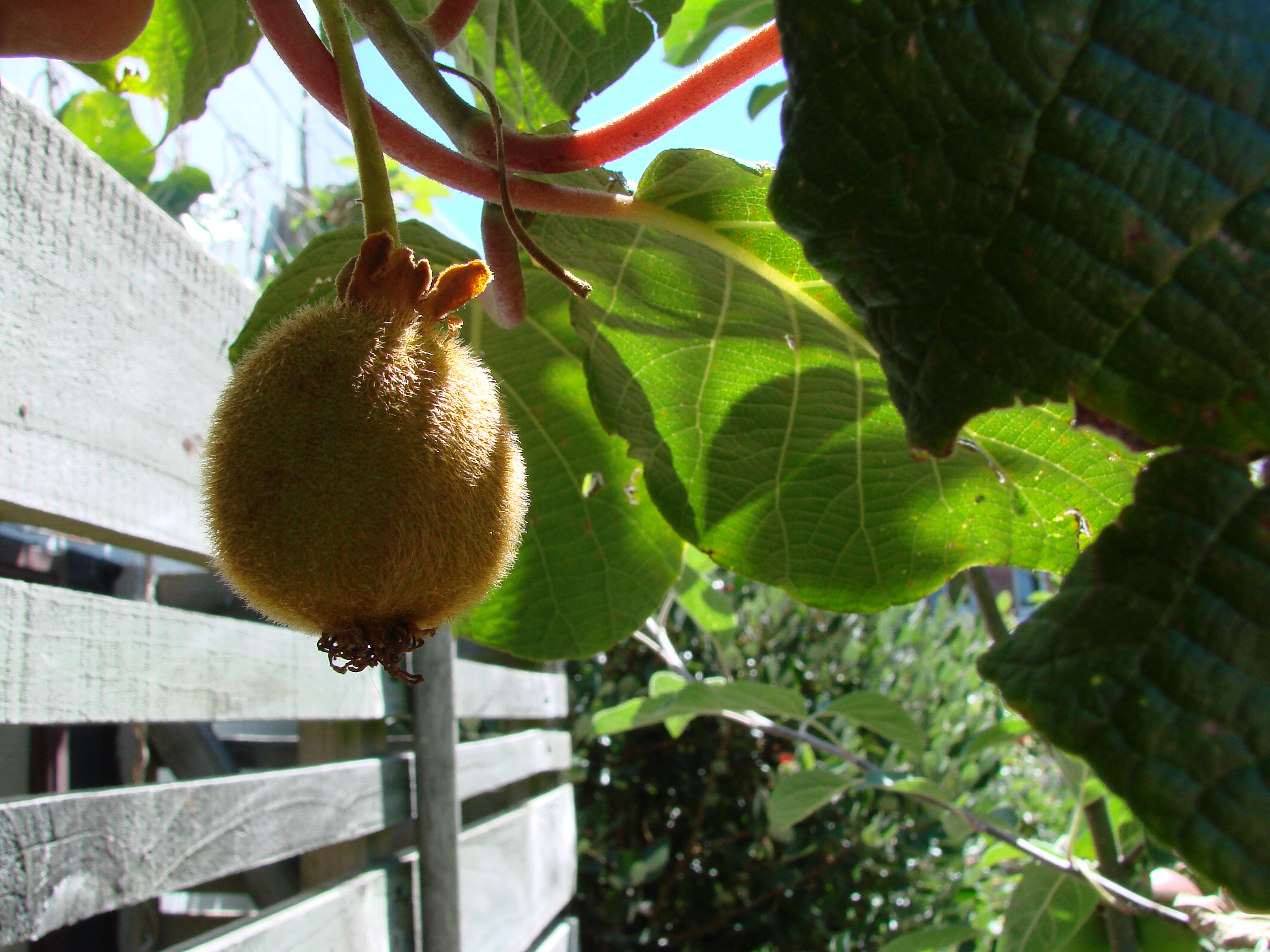
Kiwifruit mid January
DSC06363
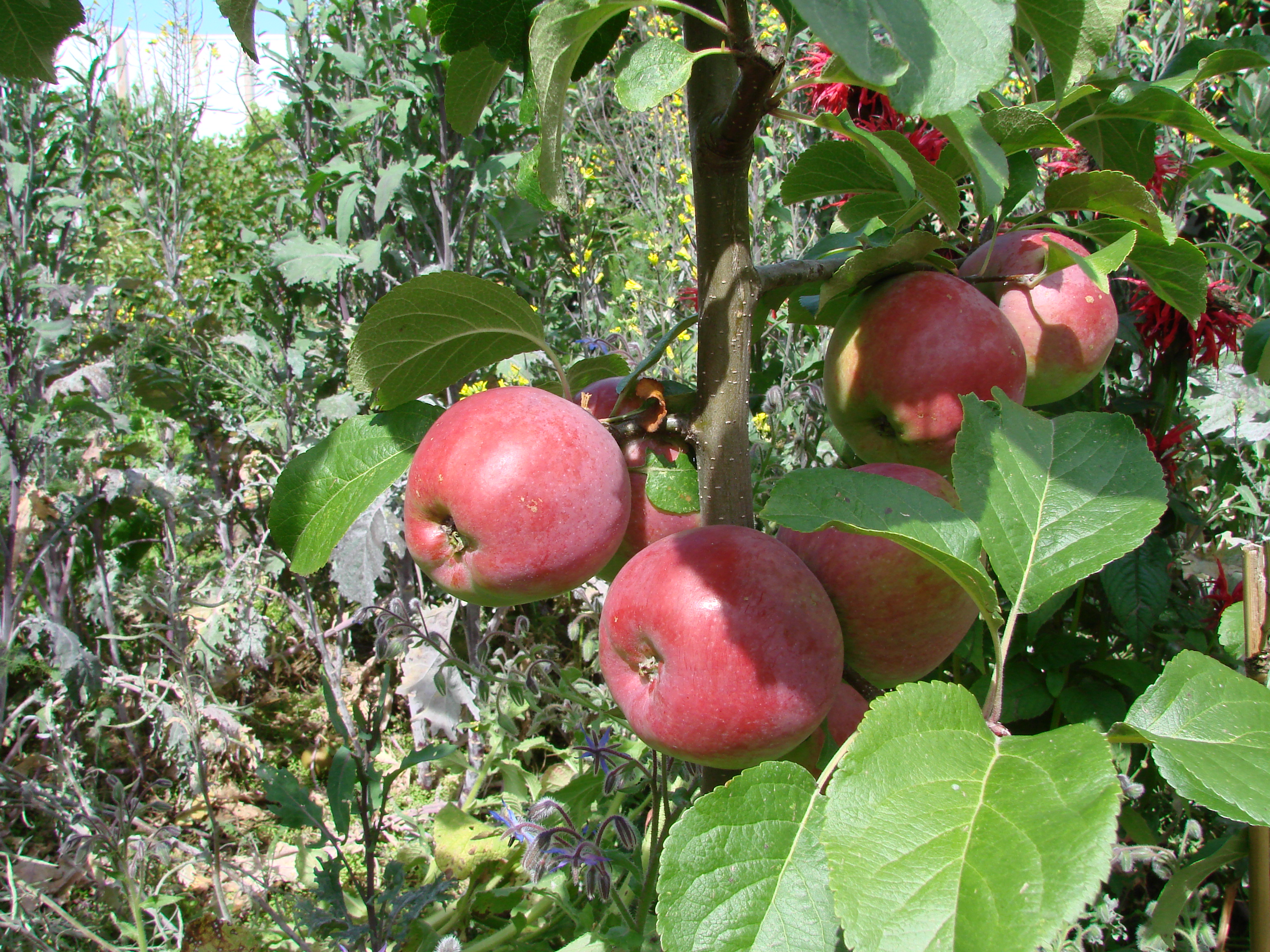
‘Tydeman’s late orange’ apple
DSC06364
‘Egremont russet’ apple
DSC06367
‘Liberty’ apple
DSC06360
Blackberry
DSC06370
‘Albany surprise’ grape
DSC06372
Actinidia arguta – ‘hardy kiwi’ with cape gooseberry and Psidium cattleianum – ‘strawberry guava’ underneath
DSC06373
Cabbages and collard greens beneath Moorpark apricot, Jerusalem artichoke and plum rootstock
DSC06379
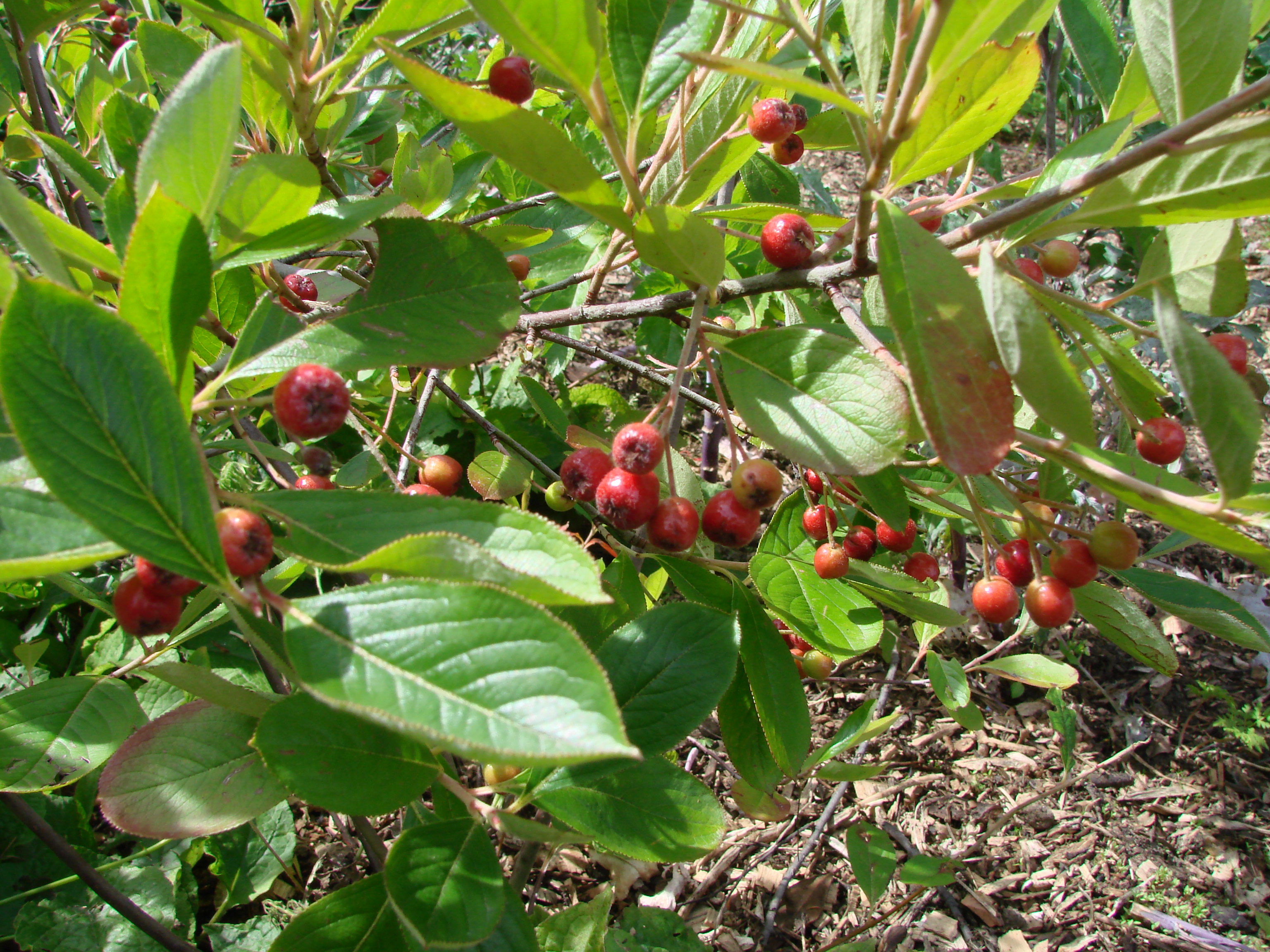
Aronia melanocarpa – ‘chokeberry’. These turn almost black when ready to eat.
DSC06381
Fennel and lemon balm lining a path
DSC06384
Merton russet espalier apple
DSC06385
Tomatillo flowering beside lettuce and rocket
DSC06389
Rear garden from the first floor


October 2014

DSC06250
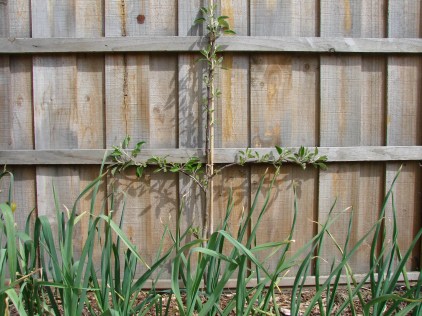
Apple espalier. In late winter/very early spring cut the tree two or three inches below the level you require the lowest branching (in this case last year). As the tree grows, tie in one vertical and two horizontals. Extra growth  where you don’t need it can either be pinched out early on or left till mid/late summer for a ‘summer prune’, when it can be cut back to a couple of buds (an inch or so) with the hope that next year it will be a fruiting spur. In the second year repeat the process for the next level of branching. The late winter prune encourages vigorous growth and branching whilst the summer prune limits growth (you are removing the solar panels of the tree!) and can help generate fruiting wood for the future. Adjust these ideas as needed to suit different shapes and situations.
DSC06281
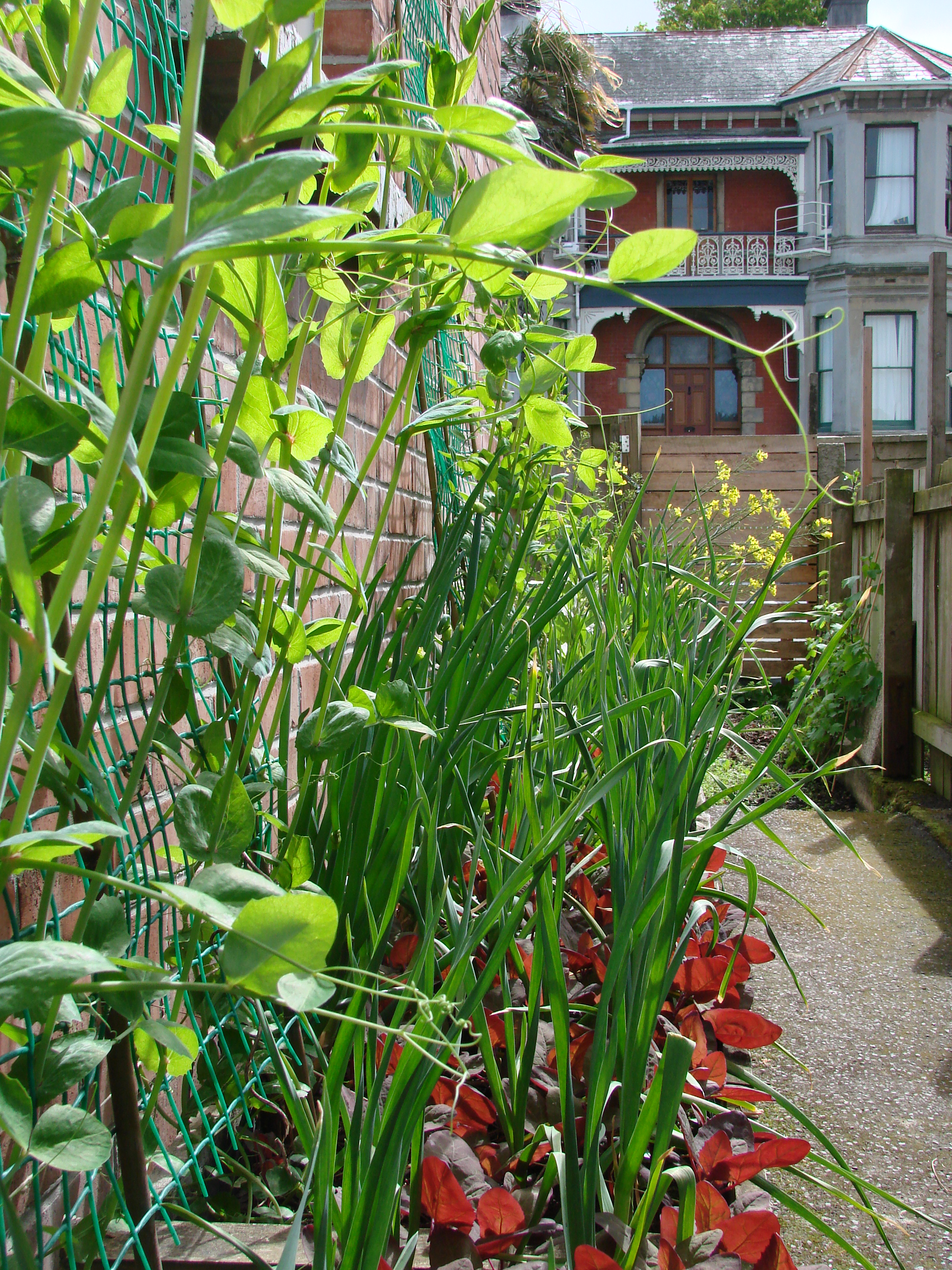
Narrow bed on the side entry: orach, garlic, Egyptian walking onions, tall sugar snap type peas
DSC06267
Fluff monster
DSC06288
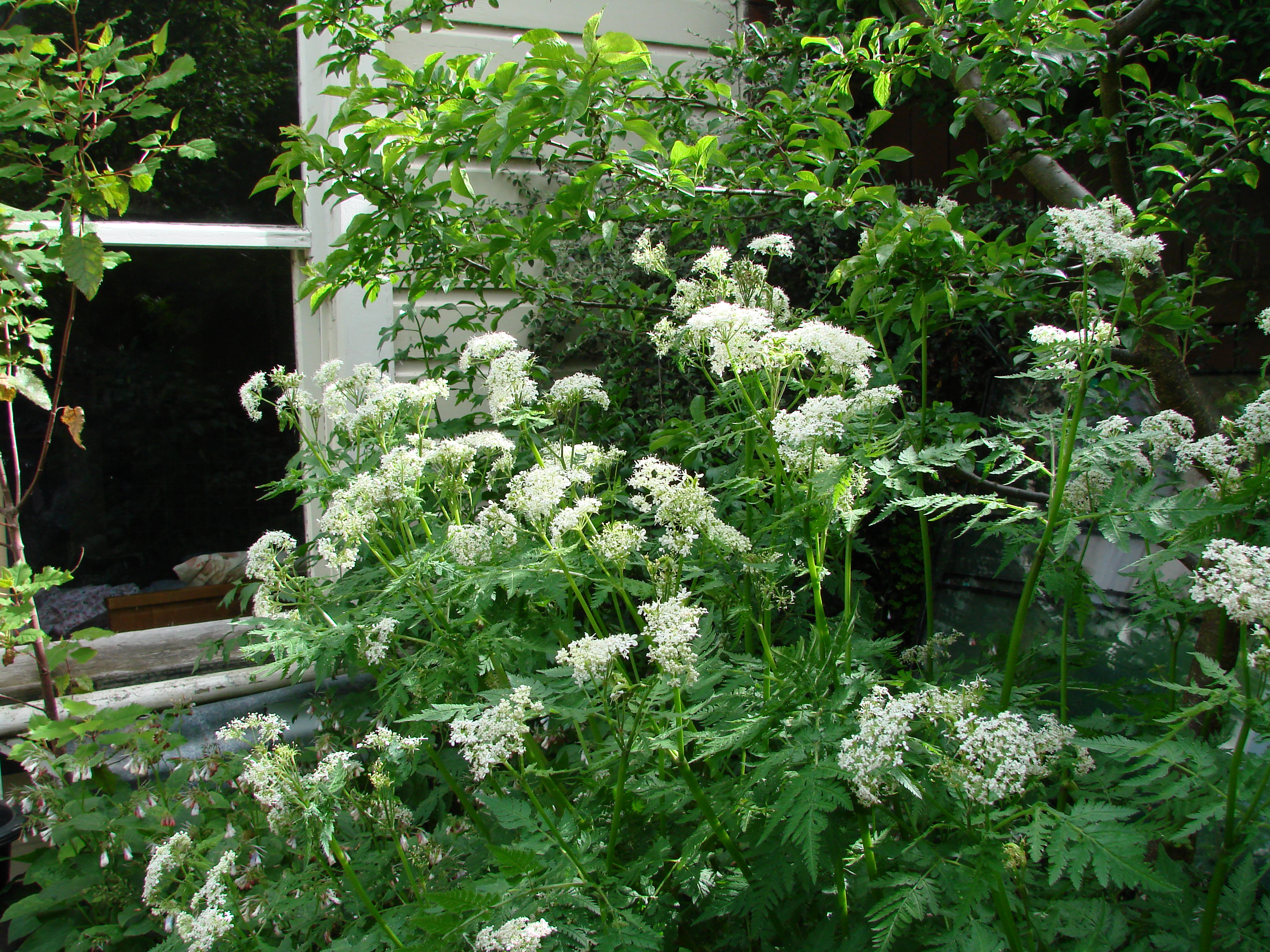
Sweet cicely, lovage and evergreen creeping comfrey beneath Wilson’s early plum
DSC06313
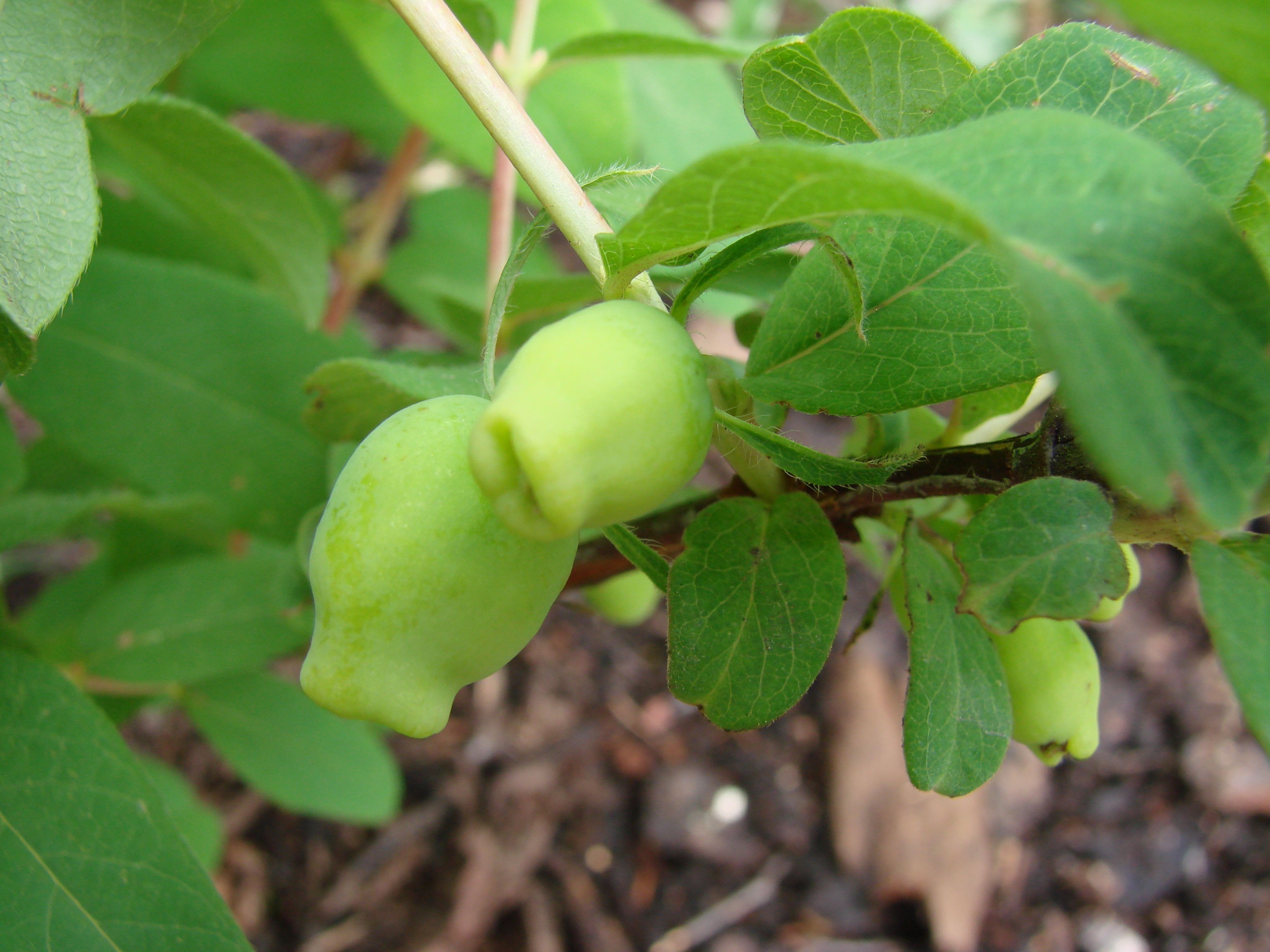
Lonicera caerulea. ‘Haskap’ berry fruiting in its second year
DSC06293
Haskap berries under way
DSC06309
Immature green sweet cicely seeds are delicious, they have an intense aniseed flavour and like the name suggests – are sweet. The leaves are also edible with a similar flavour
DSC06283
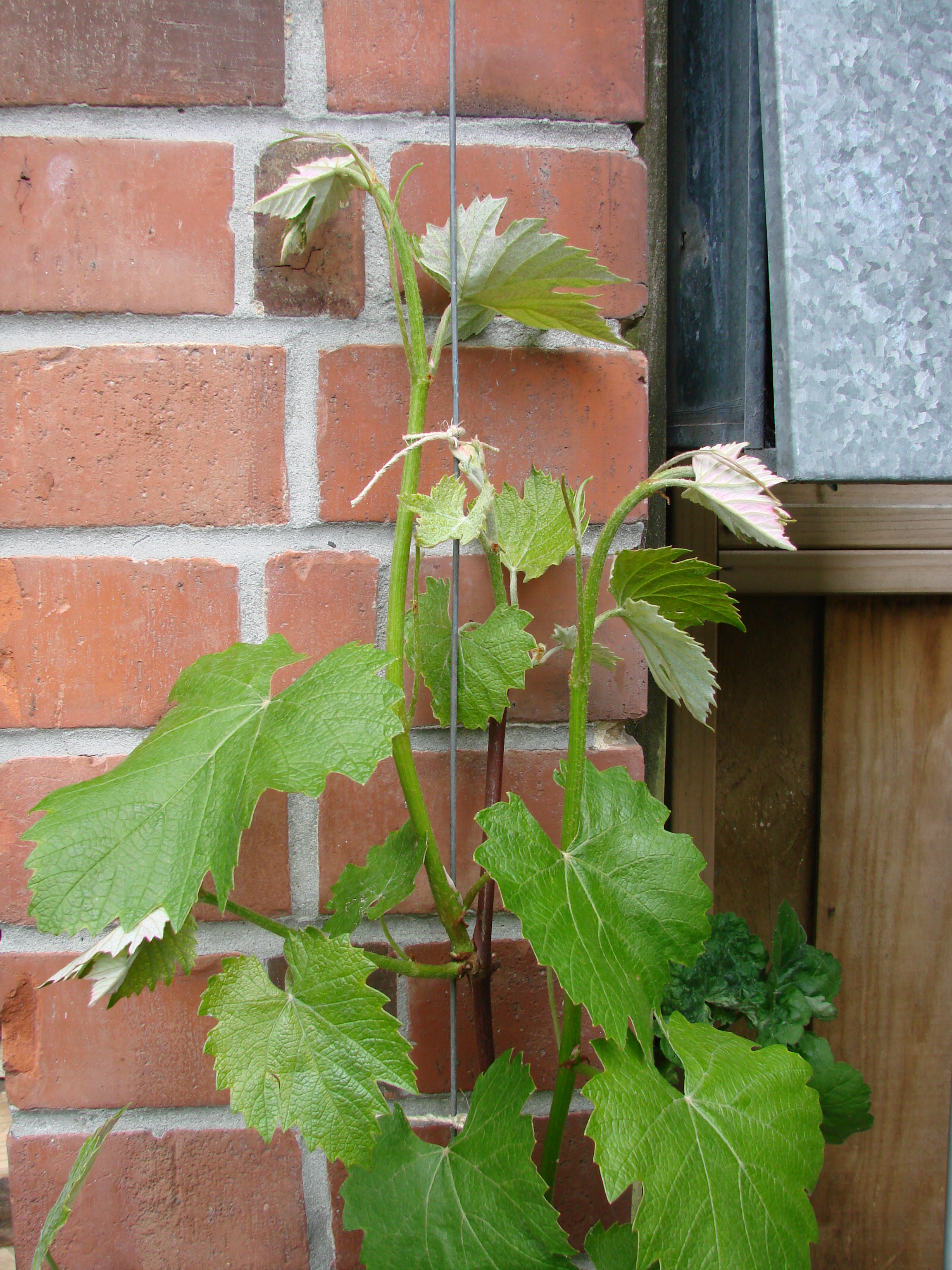
A grape making a start up the wire in its second year
DSC06284
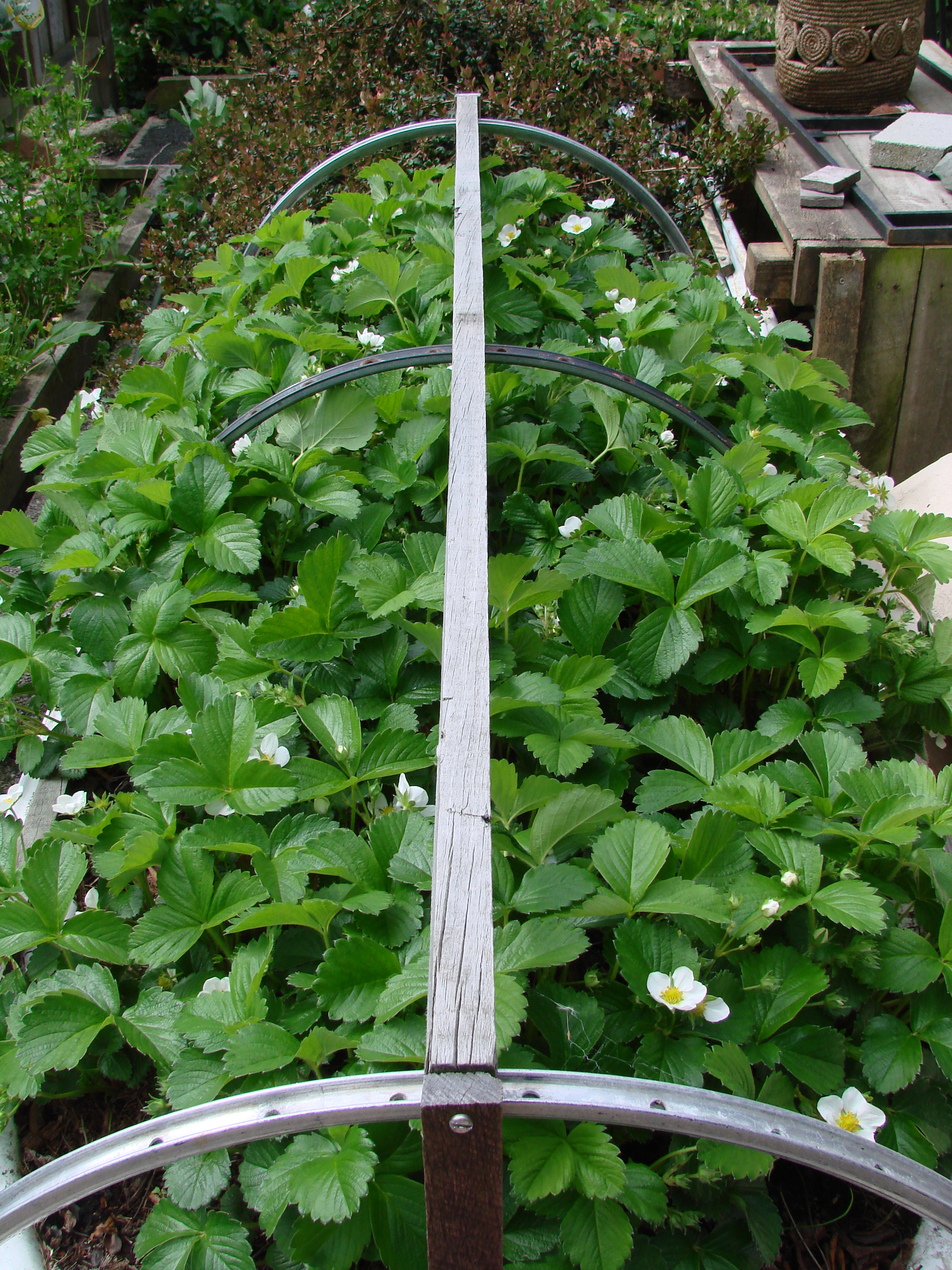
A bathtub of strawberries with a fitted frame for either a plastic cloche or bird netting. Made from bicycle rims cut in half and scrap wood
DSC06305
Fan-trained greengage plum above boysenberry and sweet cicely
DSC06307
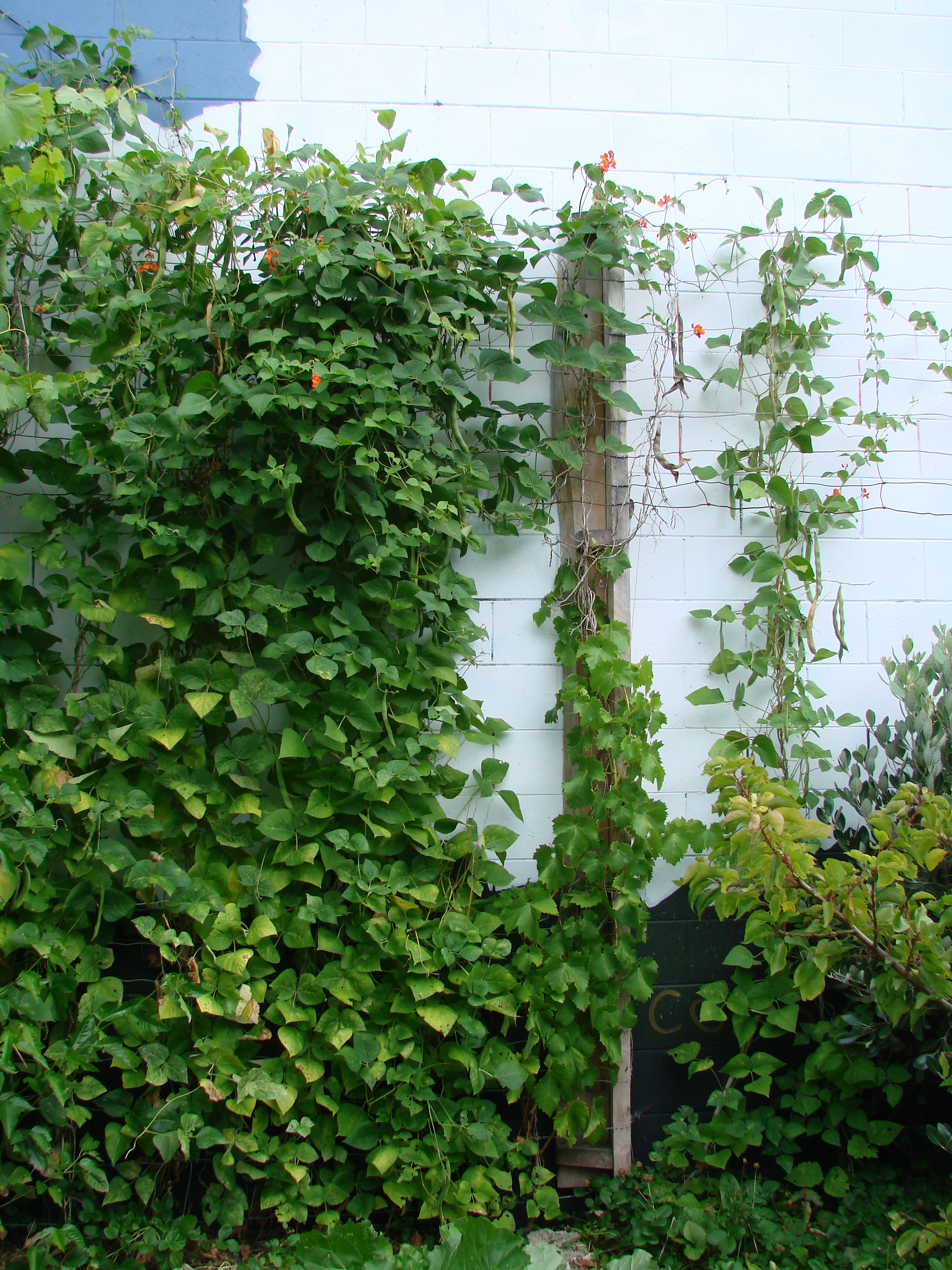
Scarlet runner beans regrowing from the lower section. These act as a barometer of sorts to gauge the appropriate time to plant other frost tender annuals like zucchini and tomato seedlings. When the greening appears it’s about that time
DSC06310
Elaeagnus x ebbingei. Evergreen, fast growing nitrogen fixer and edible fruits. There is some mystery about when and how it fruits. Some suggest it needs the presence of its parents (it is a hybrid of pungens and macrophylla), others claim it can fruit in isolation from both. I am growing some Elaeagnus multiflora as a more reliably self-fertile replacement if necessary. E. multiflora (goumi) is deciduous with tasty fruits as well
DSC06311
Blackbird
DSC06312
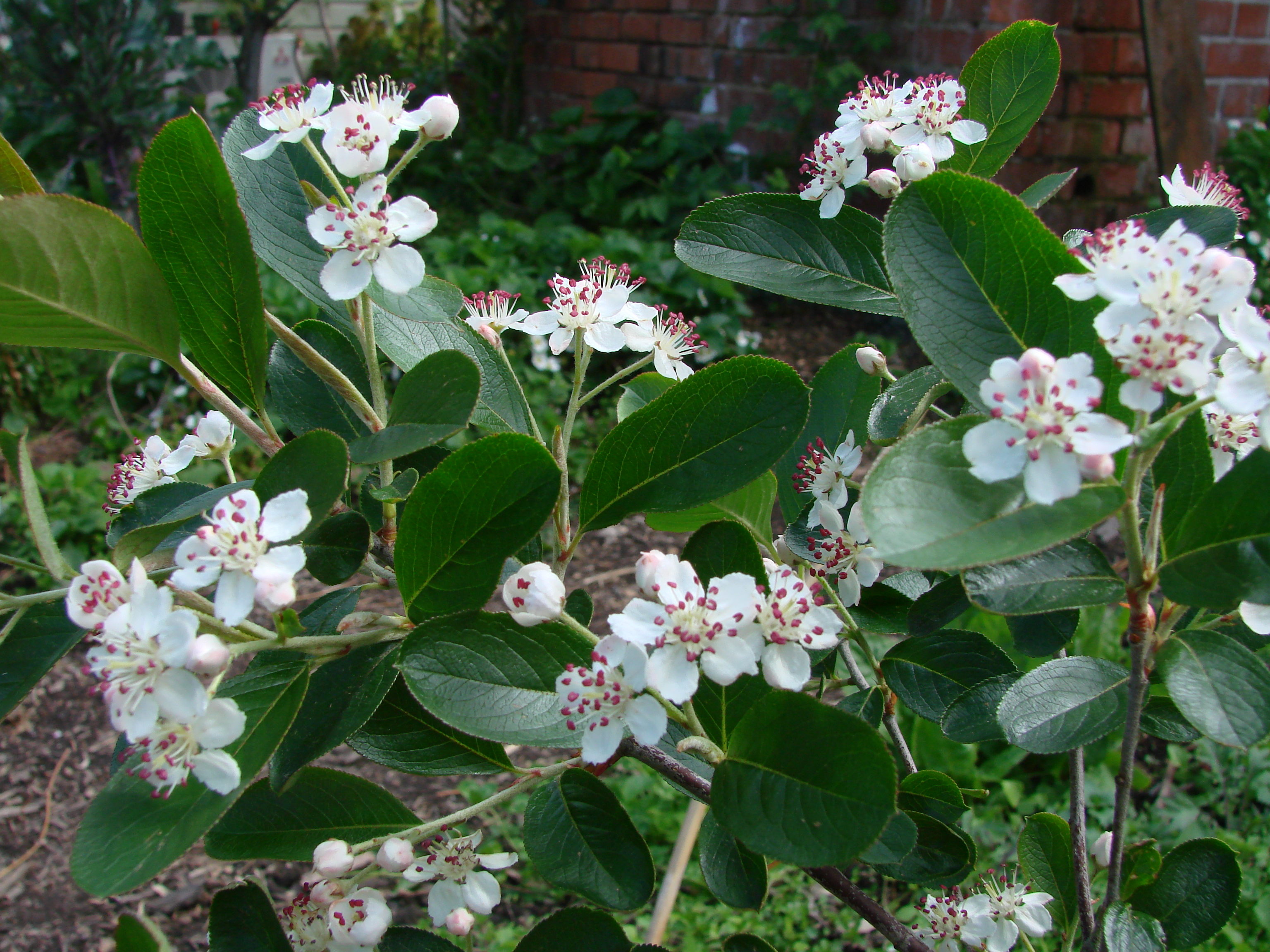
Aronia melanocarpa flowers. Black chokeberry – touted as a new ‘superfood’, the chokeberry has a long history with some peoples indigenous to North America. The berries are quite dry to the mouth but I think they have an excellent taste. Great for smoothies, juices, stewed fruit etc

May 2014

New Habitate website and fruit catalogue out now. Formerly known as Sutherland Nursery, http://www.habitate.co.nz is now the home of Habitate Heritage Fruits Nursery and Edible Landscape Design & Installation services of Jason Ross.

Here at George street orchard the season has been kind. Sap is subsiding and growth slows into remaining hardy greens. After finishing apples recently, only feijoas, Chilean guavas and poroporo remain for fruit. It’s a good time to take stock of the year’s yields and successes and to predict and plan for the next flush of opportunity.
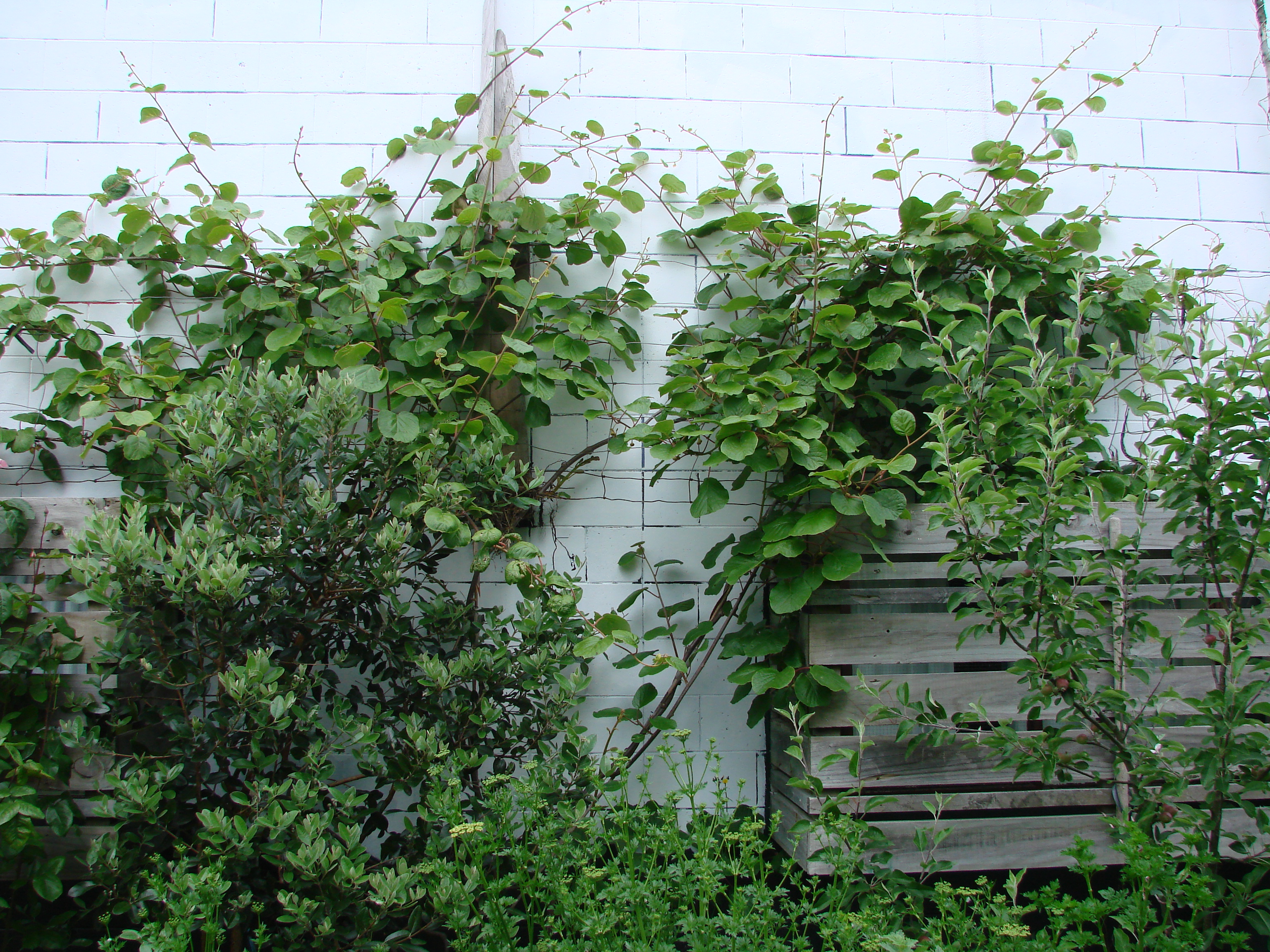
Hayward kiwi behind feijoa and 'Tydeman's late orange' apple
Hayward kiwi behind feijoa and ‘Tydeman’s late orange’ apple

Continue reading “May 2014”

June 2013

DSC05945
Feijoa ‘Tagan’ 3 years on from the nursery. Any cool temperate city has an abundance of great spots where we can make use of a warm temperate/subtropical micro climate. In this part of the garden the cold southerly misses overhead, we increased sun reflection by painting the upper wall white and the neighbours bedrooms radiate heat to minimize nighttime cooling. Just a couple of fruit left after a bumper crop.
DSC05949
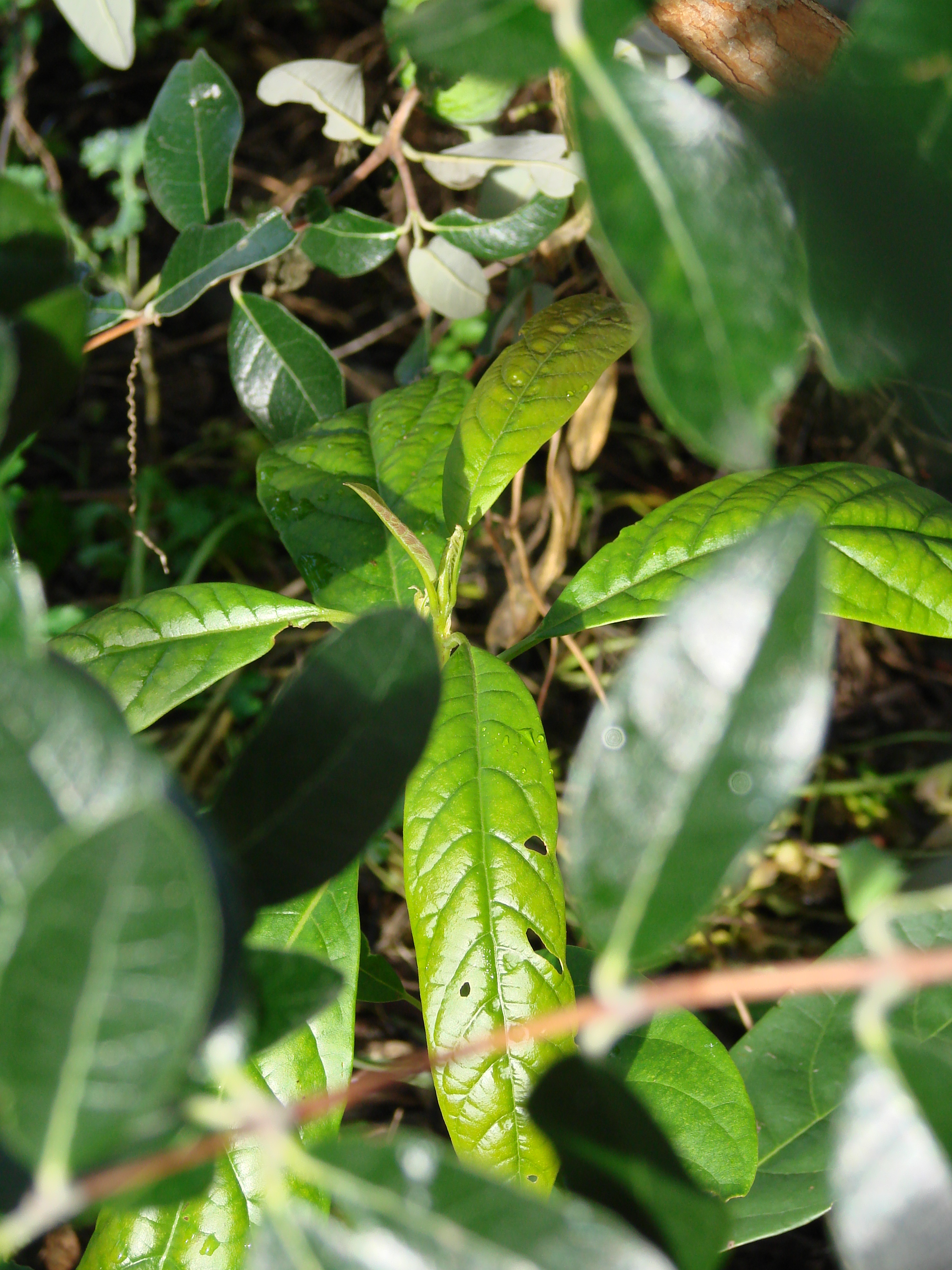
Avocado seedling volunteering under a feijoa. I’m not sure about the future for this one! Hardy enough for Dunedin winters but fruiting is probably unlikely for now. In our lifetimes I expect we may see a season every now and then which could get the job done. Unfortunately, rather than simply an easy progression to a warmer climate, Dunedin (and elsewhere) should expect unpredictability and crop challenges as a result of climate change. Our eggs need to be in as many baskets as possible. Hence the avocado!
DSC05980
After witnessing the success of feijoas in the backyard I decided last spring to plant a feijoa ‘unique’ hedge bordering the footpath. Aside from fruit this will provide an evergreen screen to gently enclose our courtyard, nectar for birds and bees, summertime afternoon shade for strawberries and a more beautiful view from inside. At the time of planting I scattered hulless black barley, tick beans and sicilian rocket under a thick mulch of linseed straw and large sticks. During the season I chopped and laid the underplanting around the feijoas where necessary. Otherwise the crops were left to seed for us to collect, broadcast and use as mulch in place. Early summer cuts of the barley re-sprouted easily.
DSC05953
With hindsight, one of the first actions in this garden should have been to create sturdy trellis on all suitable walls (neighbours walls included). 2 years ago I (mostly) completed it and shuffled a few plants accordingly. So many species are suited to the two dimensions and become very easy to harvest and maintain. Some may need the increased shelter/light/warmth to thrive. Our high walls are home to climbing beans, boysenberries, fan-trained peach, grapes, espaliered mulberry, kiwifruit and hardy kiwi, tomatoes, goji berries. Shadier trellis houses redcurrants, blackberries and elderberries. Gooseberries are also well suited to a partially shaded espalier.
DSC05957
Vigorous climbing beans (especially scarlet runner beans) are a standout crop for us. They grow back each year on cue with rising late spring temperatures and provide a relentless supply of fresh beans and more importantly, a generous supply of protein (stored dried beans) for the winter. In summer, we eat what we can reach fresh and what we can’t is left to dry on the upper vines. Because the pods dry very straight and vertically, the beans are quite safe from mould after summer and autumn rains (as opposed to broad beans). I sometimes miss a few but find them safe and sound the following spring. When the plants die back (or when you cut them) they can release nitrogen to the soil and plants around them via a bacterial root association that converts atmospheric nitrogen N2 into ammonia NH3. Most legumes (beans, peas, kowhai etc) and some other plants have these symbiotic nitrogen-fixing bacteria. Nitrogen and carbon are 2 fundamental soil elements that we can harvest from the atmosphere with the right soil management strategies. In the case of carbon this is often called ‘carbon sequestration’, which is exactly what we need to have happening on the balance globally to mitigate and reverse rising CO2 levels. Unfortunately, most of chemical and organic agriculture is a net contributor to atmospheric CO2 through frequent tillage which destroys soil carbon, releasing it to the atmosphere, thereafter increasing  dependence on artificial fertilisers and organic inputs. We need a permaculture (permanent agriculture) that can rebuild soil carbon and provide ecosystem function whilst providing for our needs. This means building systems that mimic natural functions such as plant succession (through time) and plant stacking (in space).

Autumn 2013

april 2013 (38)
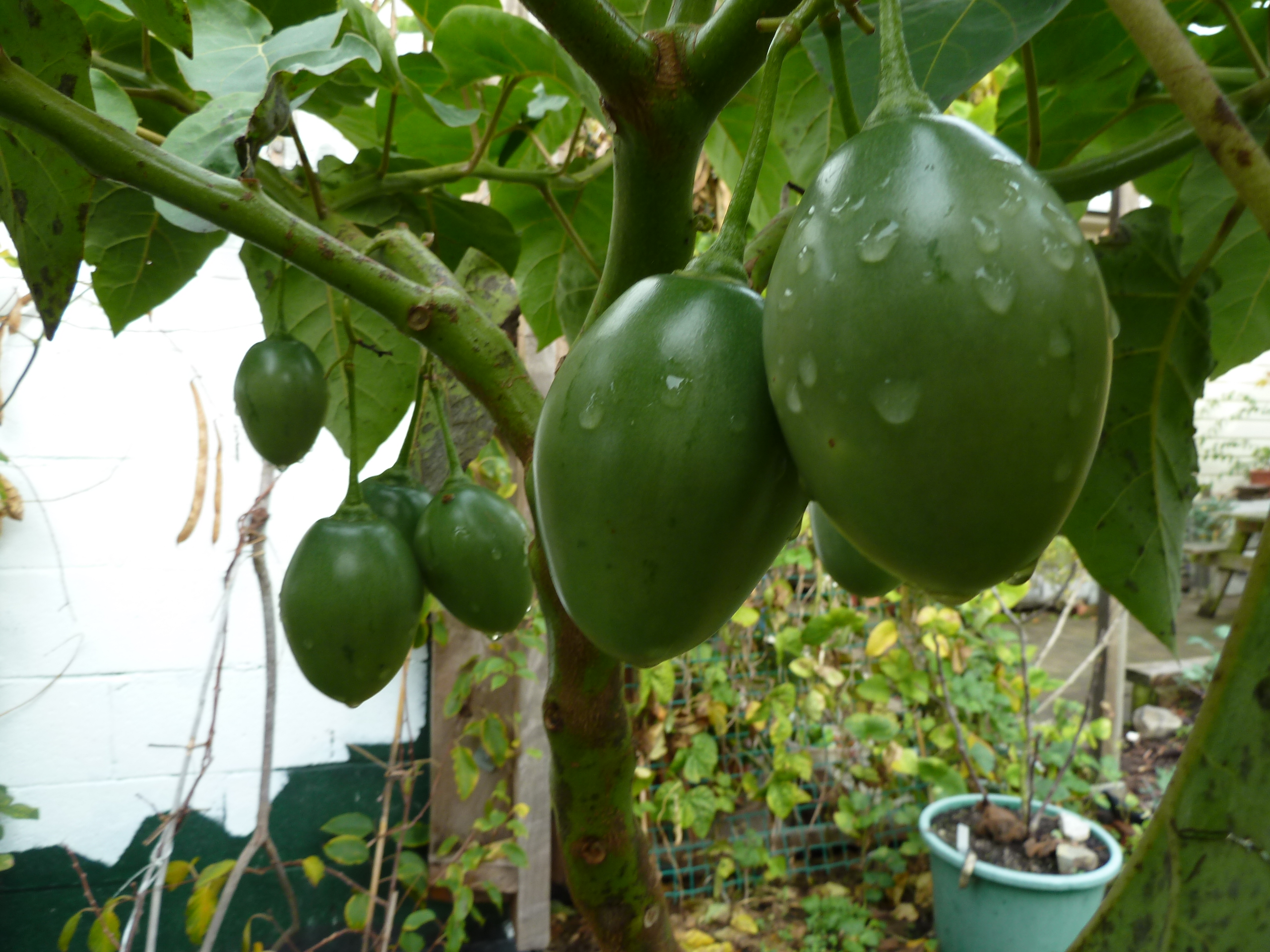
This tamarillo tree is only 2 years on from a small cutting. They are very quick to grow in Dunedin’s mild climate. Light frost will ‘prune’ them a little, only to re-sprout strongly the following spring. Prolonged hard frost (which we don’t really get here on the coast) will kill them. Ripe fruit is not unheard of in Dunedin but they need a really sheltered position. What they do not like (as we learned after last week’s snow (28 may)) is snow on their wide welcoming leaves, which will snap the branches! No surprises there….but if you can keep off the snow the fruit will hang around and hopefully ripen late winter. I will keep you posted on how ours are now ripening indoors.
march 2013 (8)
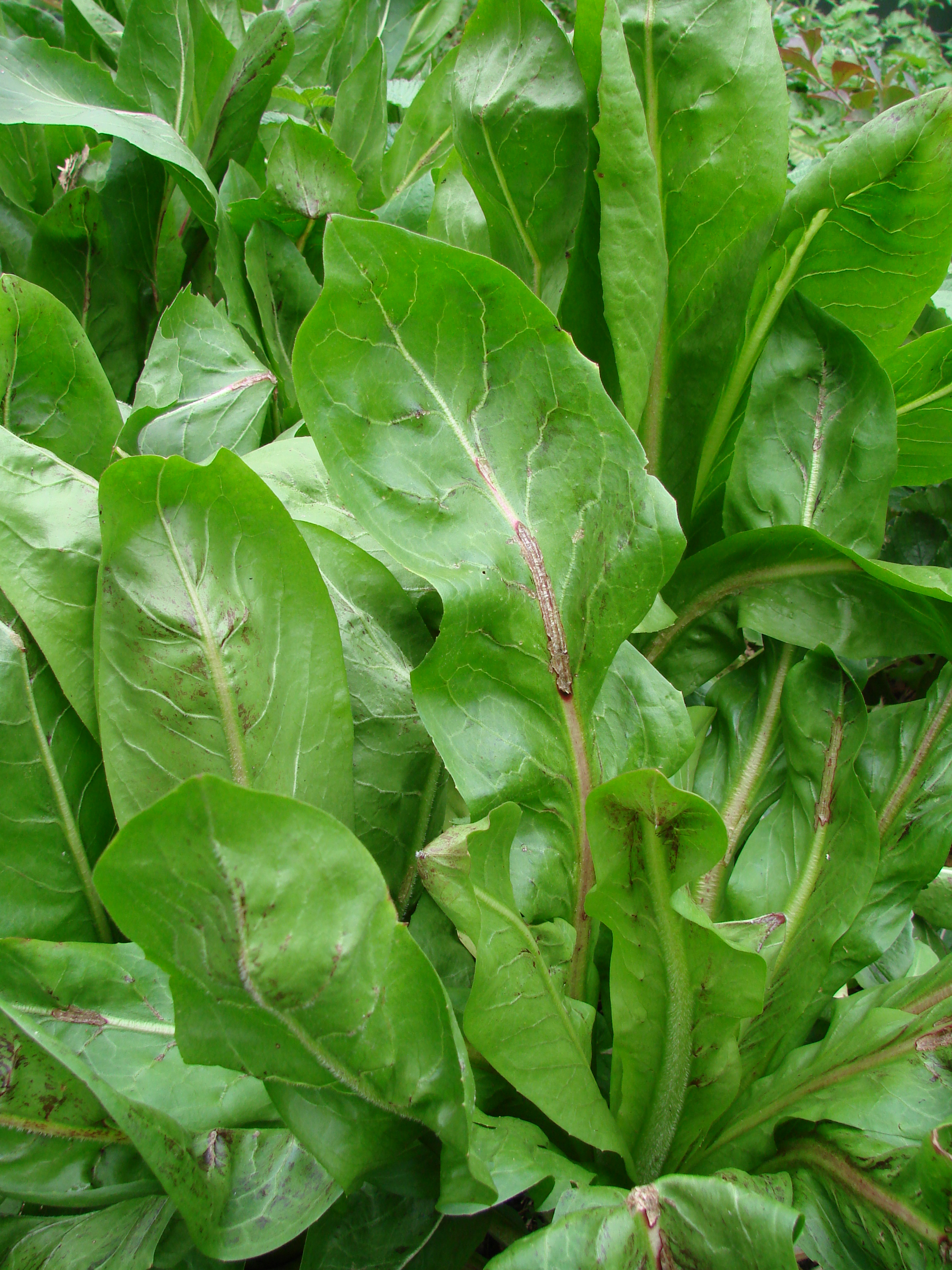
Chicory ‘Red Treviso’ is an amazing perennial plant, we use it stir-fried roots and all or the leaves in salads and smoothies. Re-sprouts strongly after the whole plant is sliced off. In cool weather it takes on a deep red colour.
march 2013 (9)
Chicory, boysenberry cane tips, strawberries and a young blueberry.
april 2013 (61)
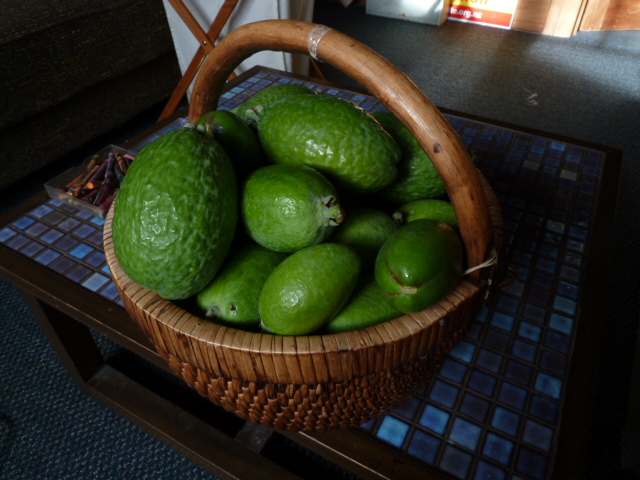
250 g monster and the rest of the day’s feijoa harvest.
april 2013 (28)
Grapes, possibly ‘Albany surprise’ ripening against a sunny wall.
april 2013 (44)
The Silver-eyes (Wax-eyes) and my paintbrush did a good job of pollinating the feijoas this year. If you don’t see small birds in there chasing the nectar then facilitate reproduction yourself with a fine brush.
march 2013 (5)
Runner beans and a young grapevine.
march 2013 (2)
Trellised boysenberry. A favourite of ours and the birds – keeping it in the 2 dimensions makes it easy to net and harvest.
march 2013 (10)
Fan-trained peach ‘Blackboy’ (left), grape, beans. Gooseberry ‘Pax’ and blueberries in front.
march 2013 (14)
Apple ‘Tydeman’s late orange’ with pumpkin running underneath. We have about 12 varieties of apple, mostly on quite dwarfing m26 rootstock. This way you can create a grove of smaller trees, with the apples ripening at different times and having quite diverse tastes and uses. The m26 rootstock is best suited to fertile garden soil, so if you have heavy soil go for at least the more vigorous m106 (about a typical orchard size) or if you have room, m793 (almost as vigorous as an average seedling apple). Always ask what the rootstock is before you buy, as many fruit trees are unlabelled or simply say ‘dwarf’ or ‘semi-dwarf’, which doesn’t mean too much as even a large orchard tree is likely a dwarf compared to a seedling. Our selections are from Habitate Heritage Fruit Nursery (formerly Sutherland Nursery, see links page), organically grown heritage and disease resistant varieties known to thrive in the south of the south.
march 2013 (19)
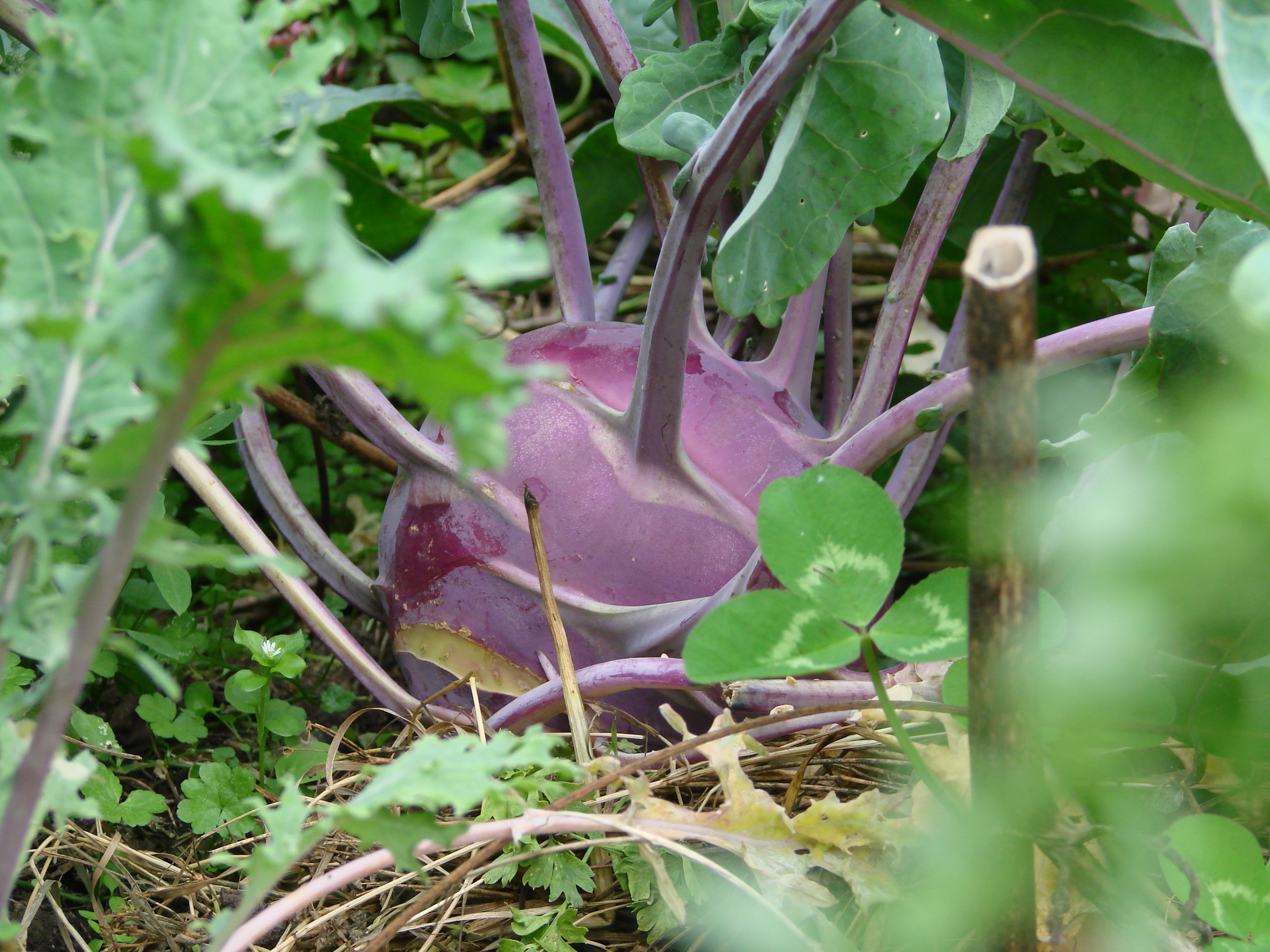
Kohlrabi.
march 2013 (21)
Italian parsley is great as a companion for chopping and dropping around trees as you need (here with Belle de Boskoop apple). Let them seed and witness all the chest-high insect diversity.
march 2013 (24)
Climbing beans can make a great living wall.
march 2013 (26)
Consider using a couple of square metres to multiply plants for your own system and friends. This area shown houses 48 hardwood cuttings; worcesterberry, white currant and 3 varieties of blackcurrant. These will be dug up in winter, I can keep a couple – the rest to a good home! Growing open-ground (as opposed to pots) cuttings and seedlings enables much healthier and vigorous root development while decreasing time spent watering and fertigating. If you can, plant cuttings directly where they are to live on.
march 2013 (28)
As with the berries, you can easily create a little fruit tree nursery. This is especially useful if you need lots of trees and want to save money or if you wish to reproduce that awesome pear at your mum and dads’ that you don’t know the name of. Shown here we have apple rootstock m26/m106 (2 options for grafting apples) and quince c rootstock (one option for grafting pears and quince). If you can open a can of beans you can graft….www.sutherlandnursery.co.nz is holding a grafting workshop in September, please register by June 10 via their events page.
march 2013
Pumpkin ‘Marina di Chioggia’ with sea beet, borage, puha, parsley, dandelion and kale.

Autumn 2011

 
OLYMPUS DIGITAL CAMERA
Apple ‘Tydeman’s late orange’ on m9 rootstock in a pot.
OLYMPUS DIGITAL CAMERA
Borlotti beans.
OLYMPUS DIGITAL CAMERA
A late summer selection of tomatoes.